Keeping Wings
2025
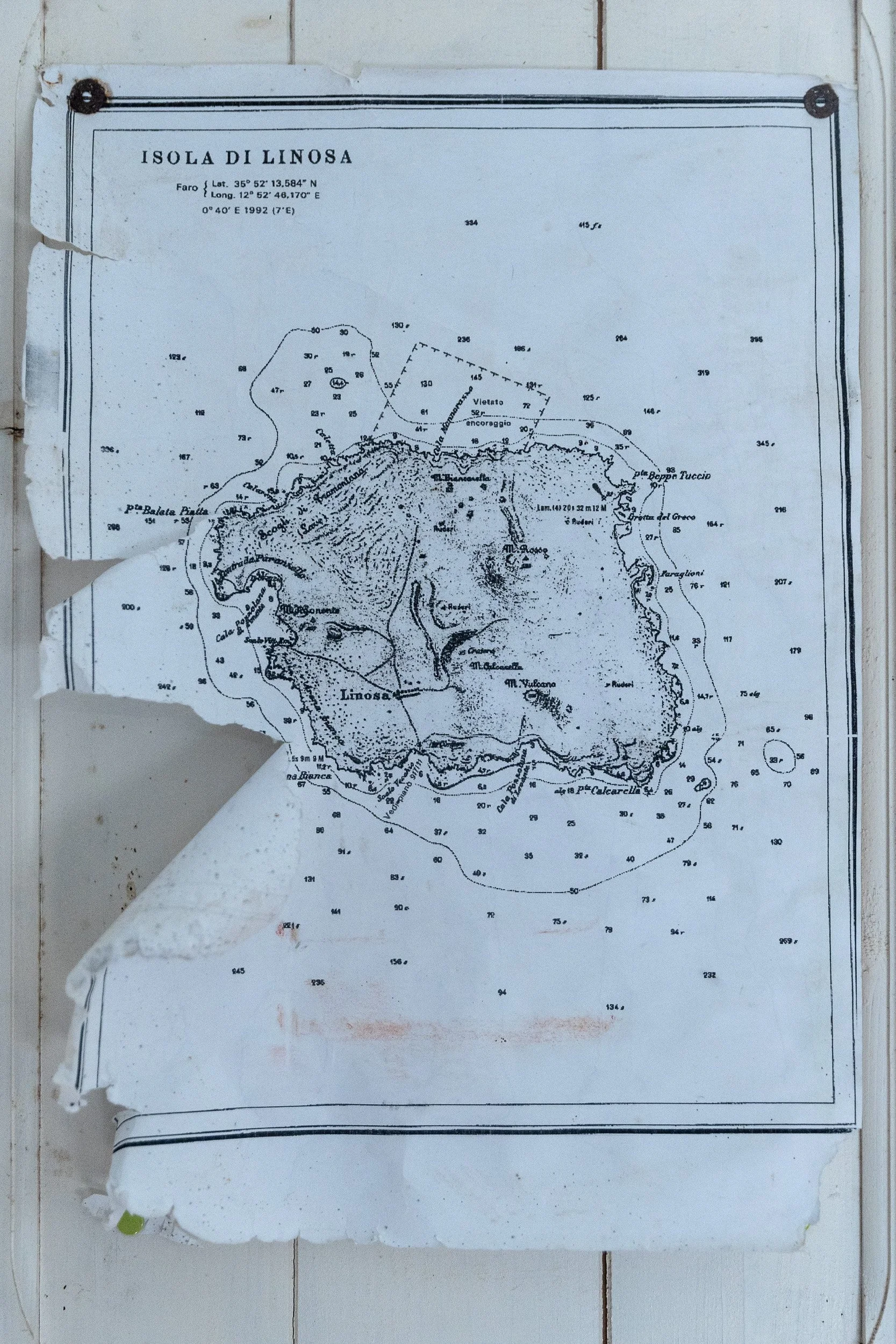
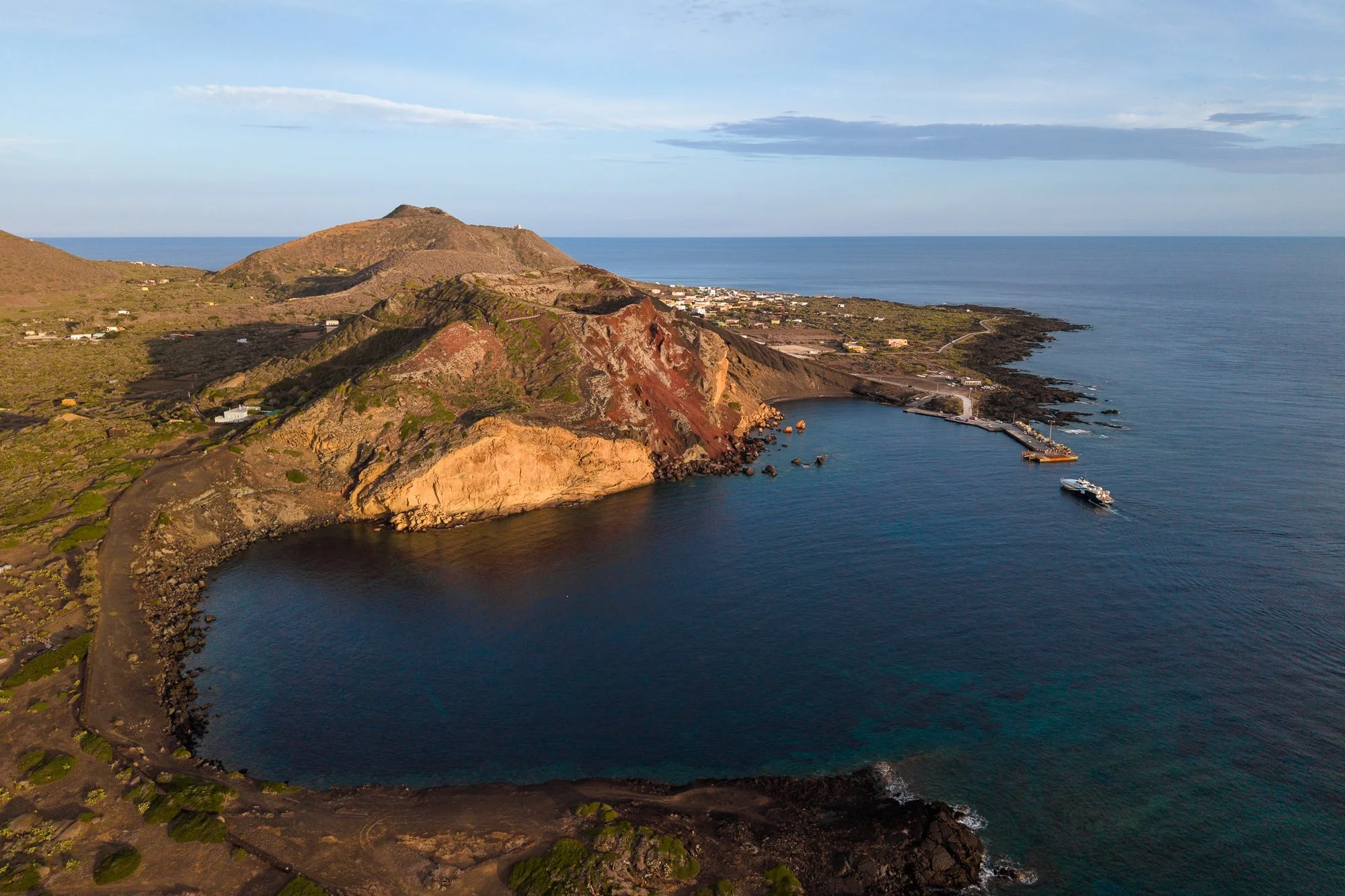
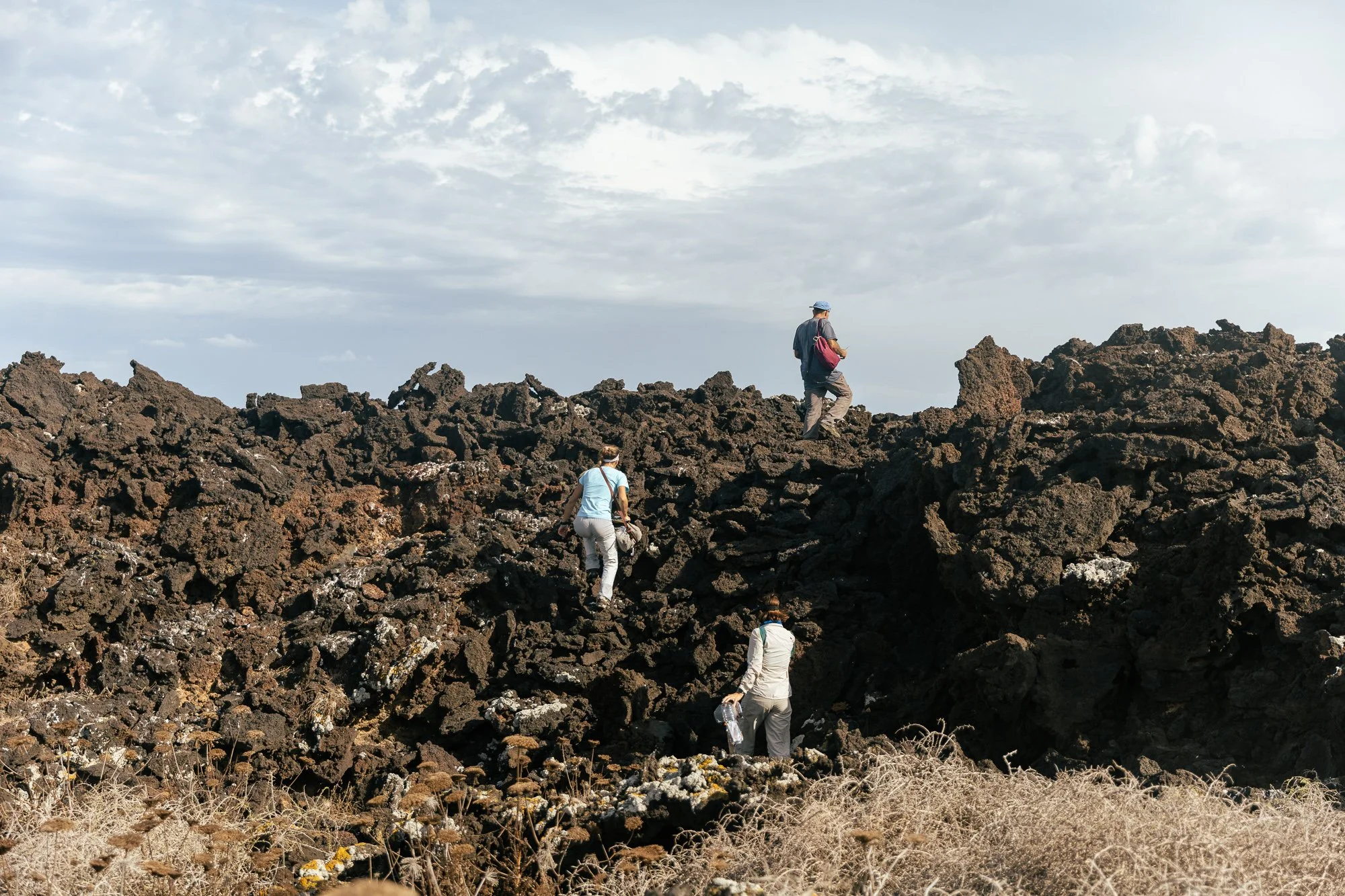
Linosa is Italy’s most remote volcanic island: 5.4 km2 of black rock in the middle of the Mediterranean sea, halfway between Europe and Africa.
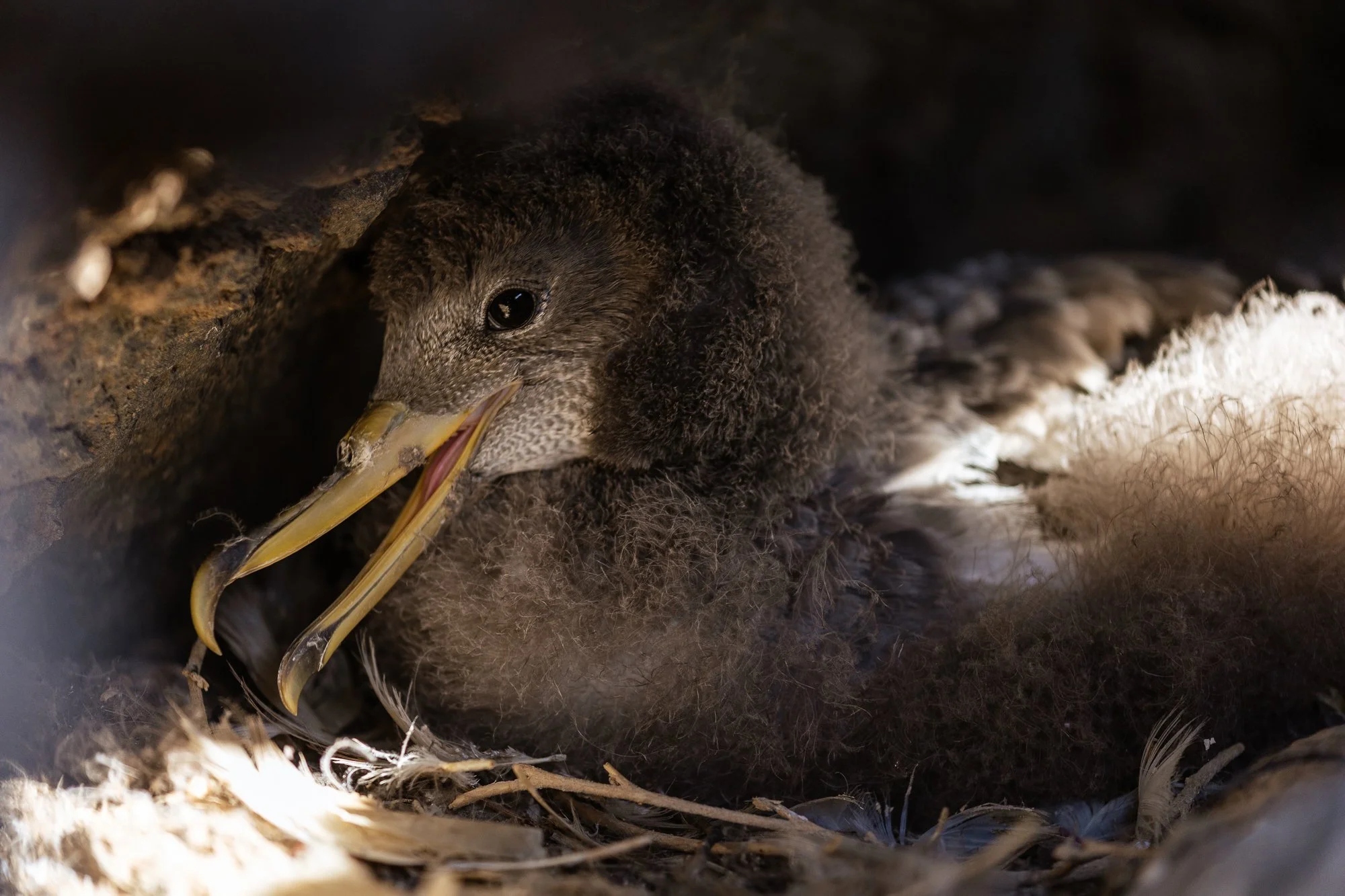
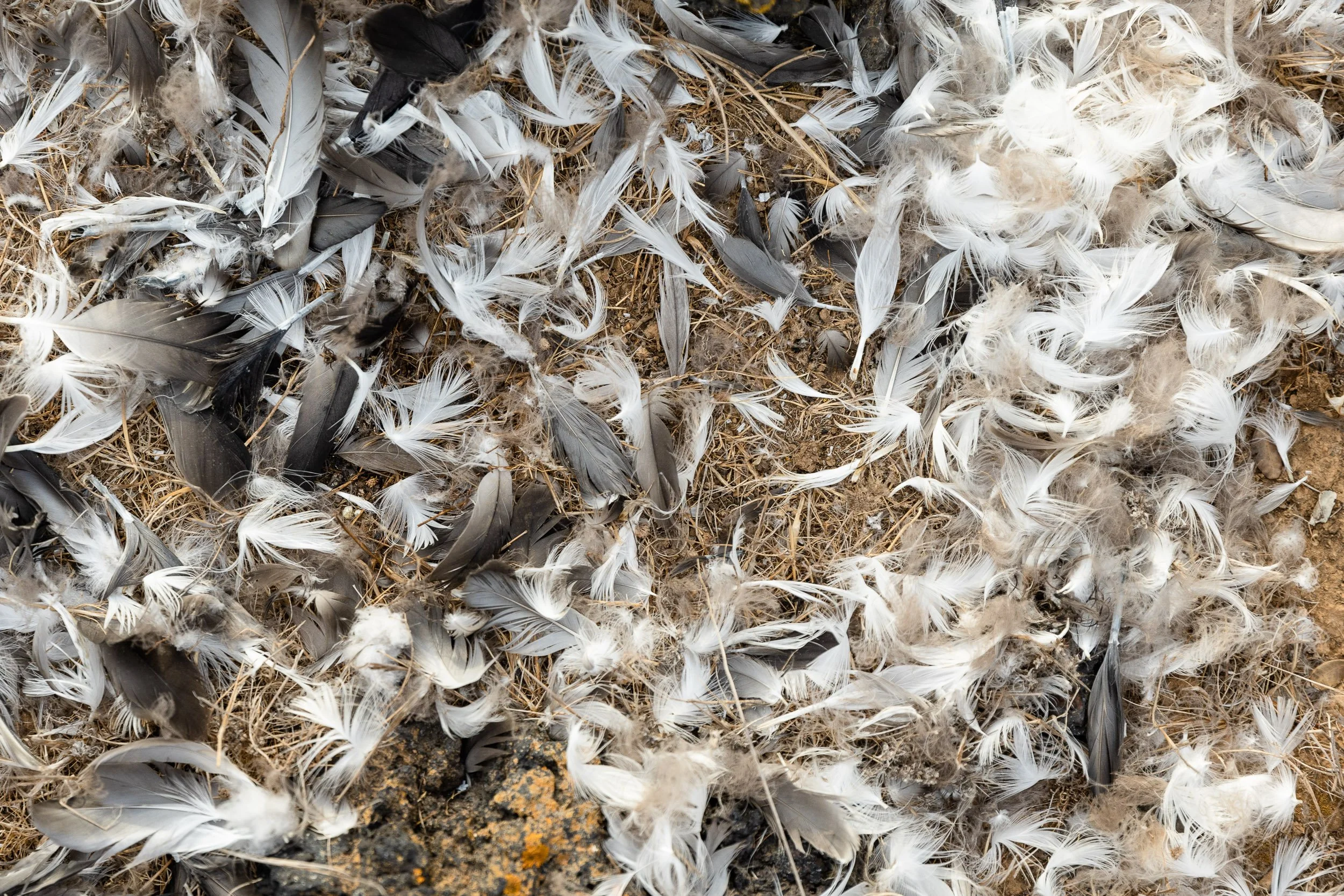
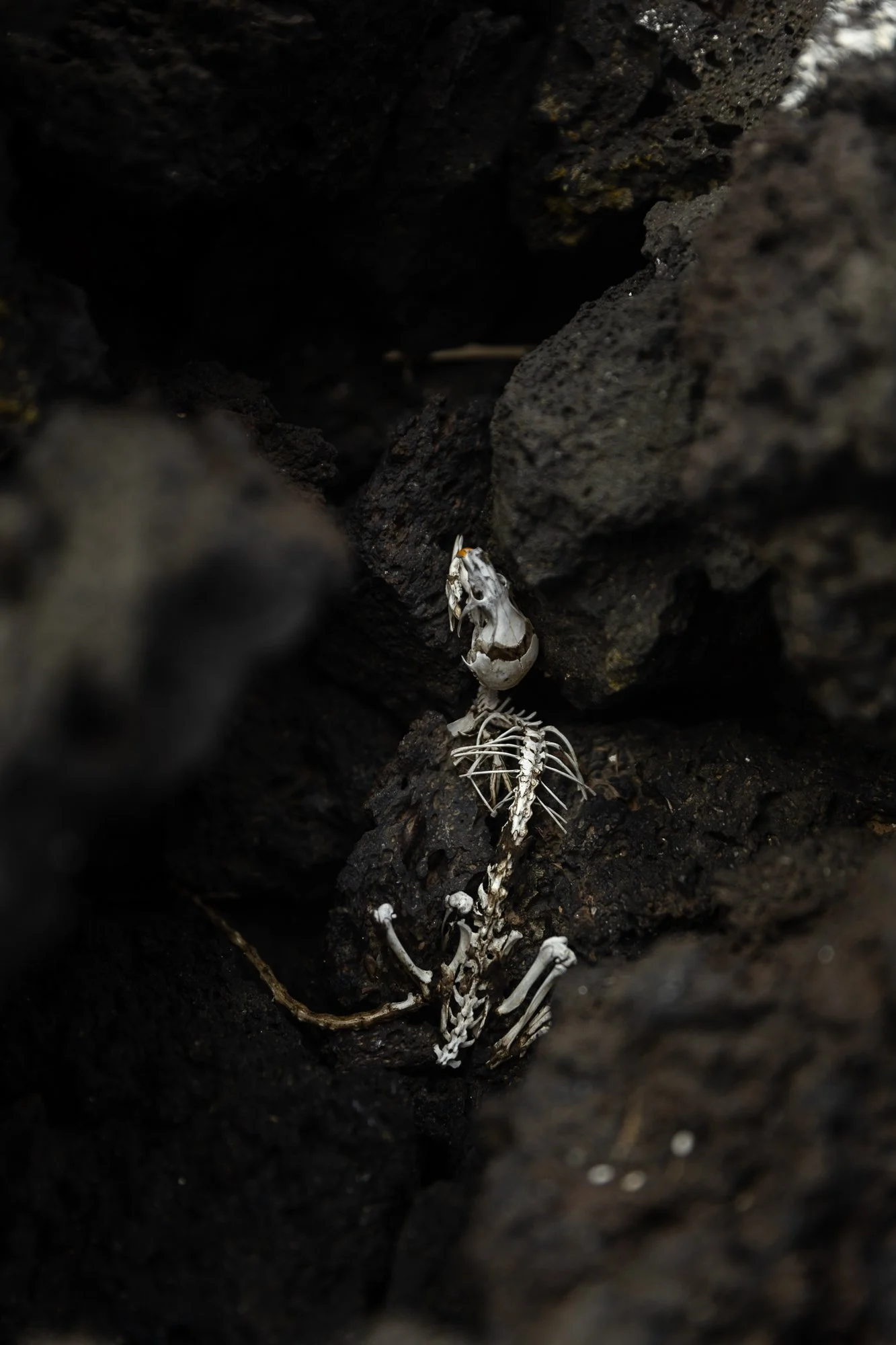
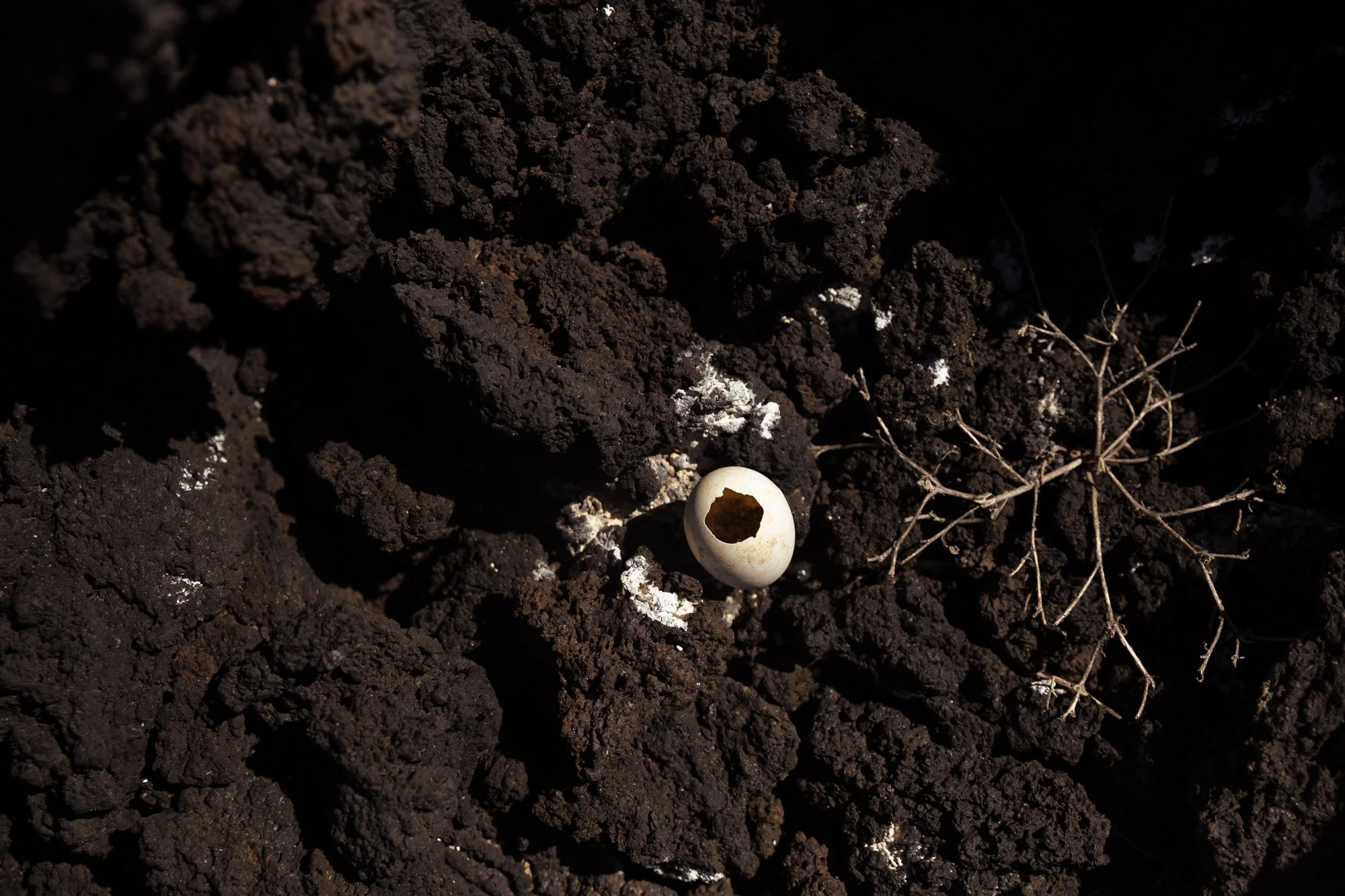
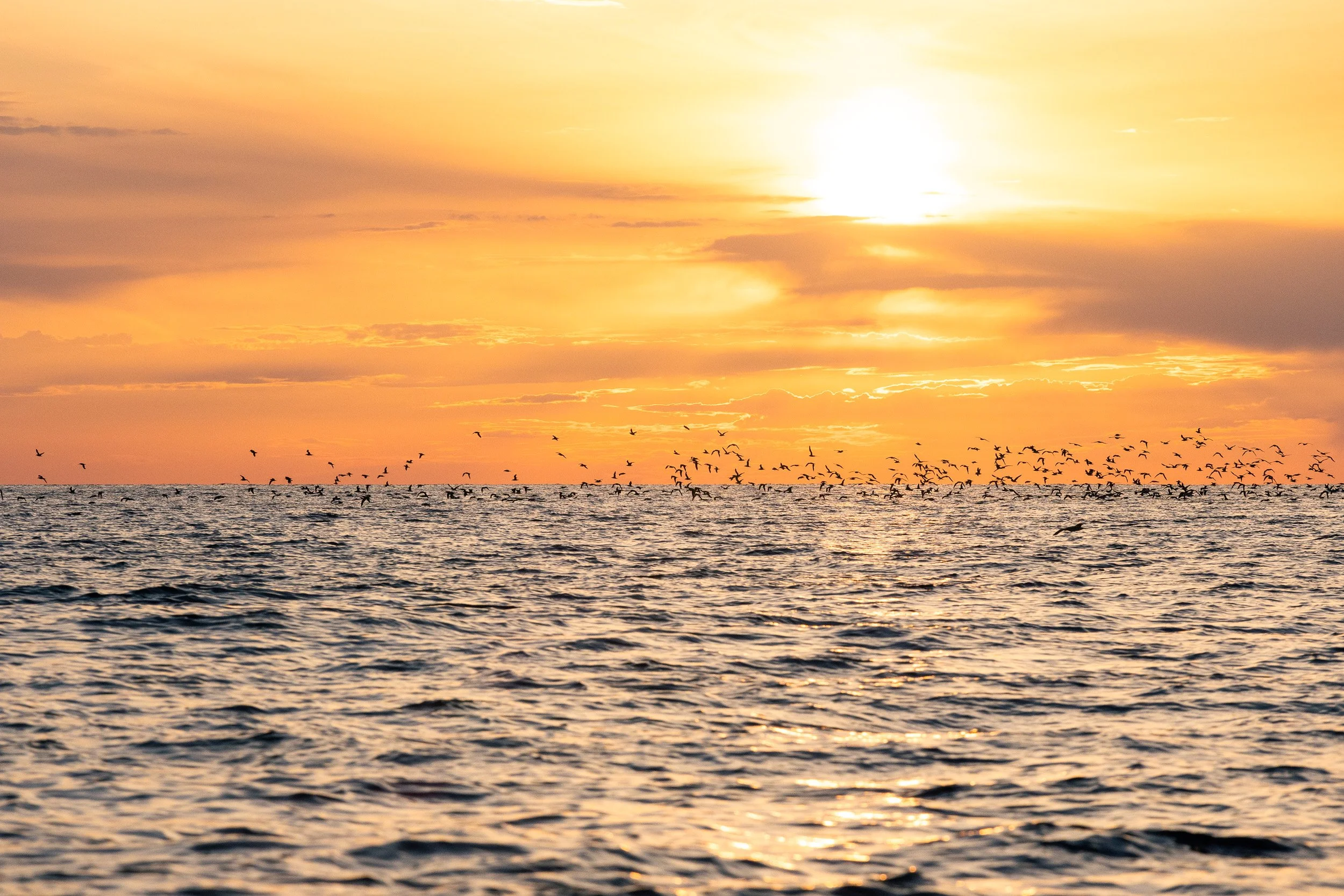
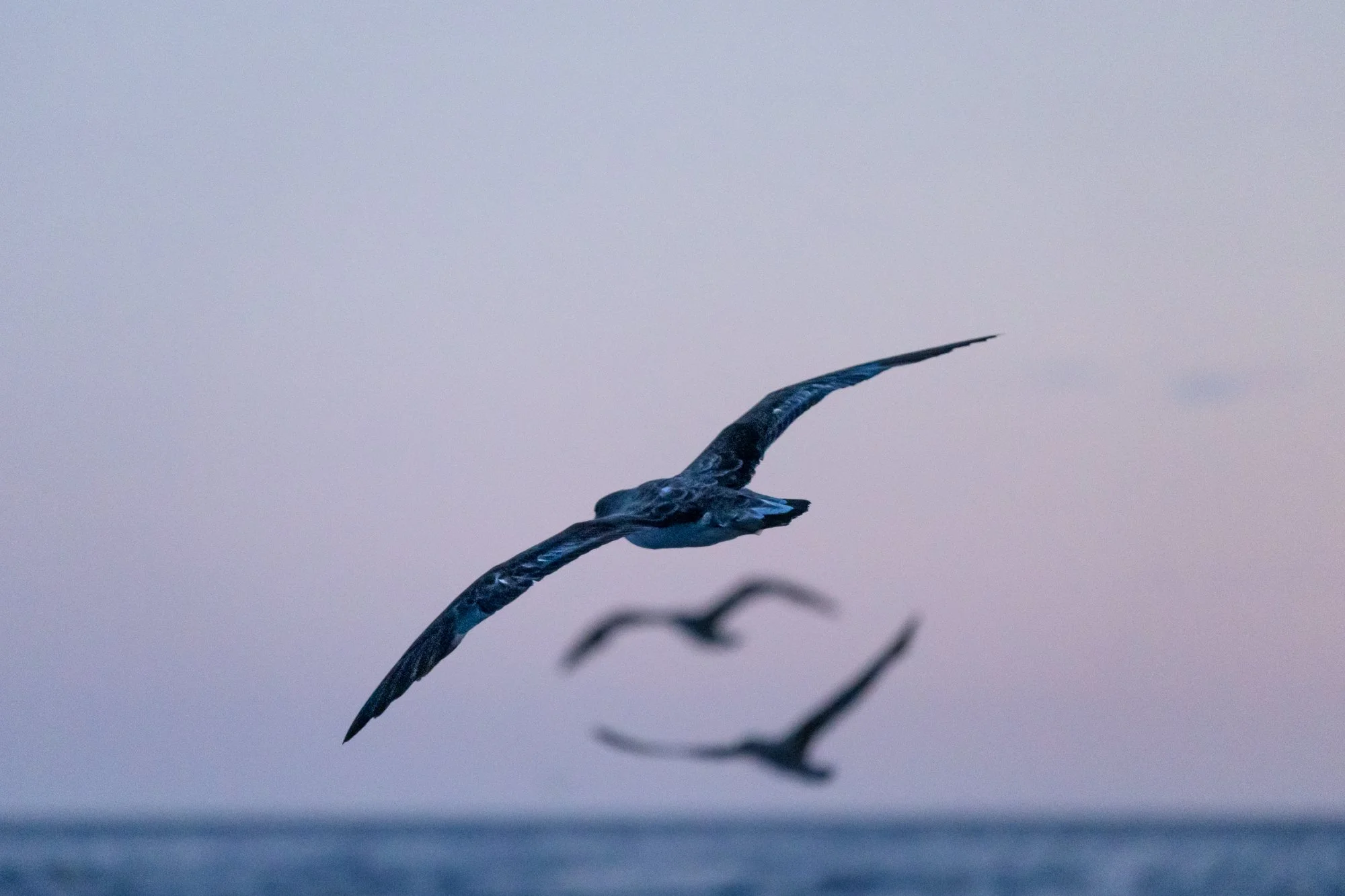
Fewer than 300 stable inhabitants live there year-round, and the connections to the mainland are restricted to ferries and hydrofoils departing at the will of the sea. This isolation has kept human pressure low, turning Linosa into a hotspot of biodiversity and wildness. Its rugged terrain offers tunnels and natural crevices that function as ideal nesting sites for shearwaters, which made the second largest colony of the entire Mediterranean area right there on the island. Despite its isolation, the colony is far from being safe. Adult shearwaters, which lay just one egg per year, are dying at increasing rates from accidental fishing or marine pollution, with few of them returning from their annual migrations. On land, eggs and chicks are threatened by feral cats, overabundant and still not all neutered, and mice. In addition, artificial lights disorient chicks on their first flights, causing them to crash on the roads instead of reaching the sea.
Their protection is crucial. As apex marine predators, shearwaters are indicators of the Mediterranean’s ecological health. Their decline would bring an imbalance in this marine ecosystem, already aggravated by climate change and overfishing.
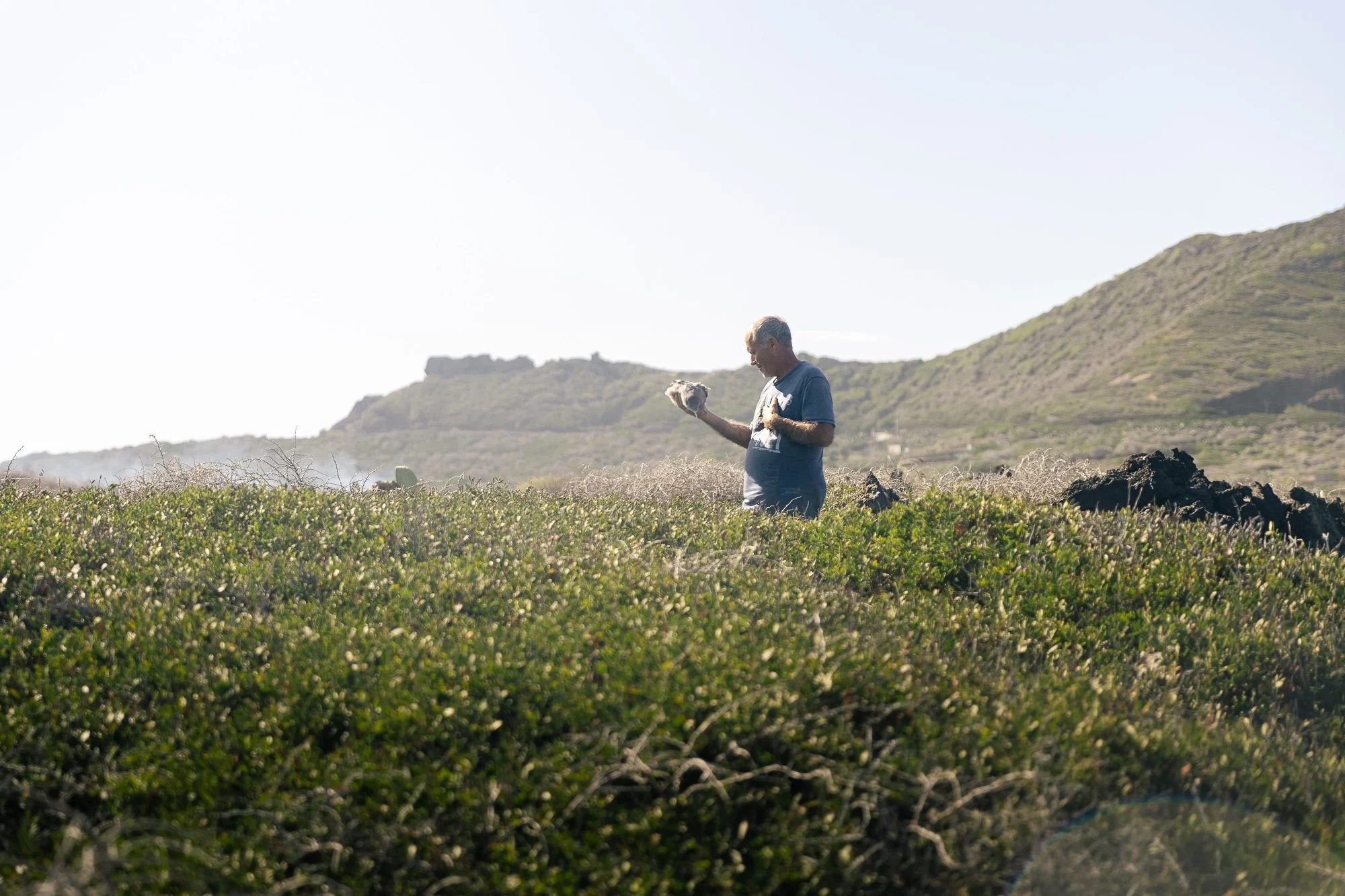
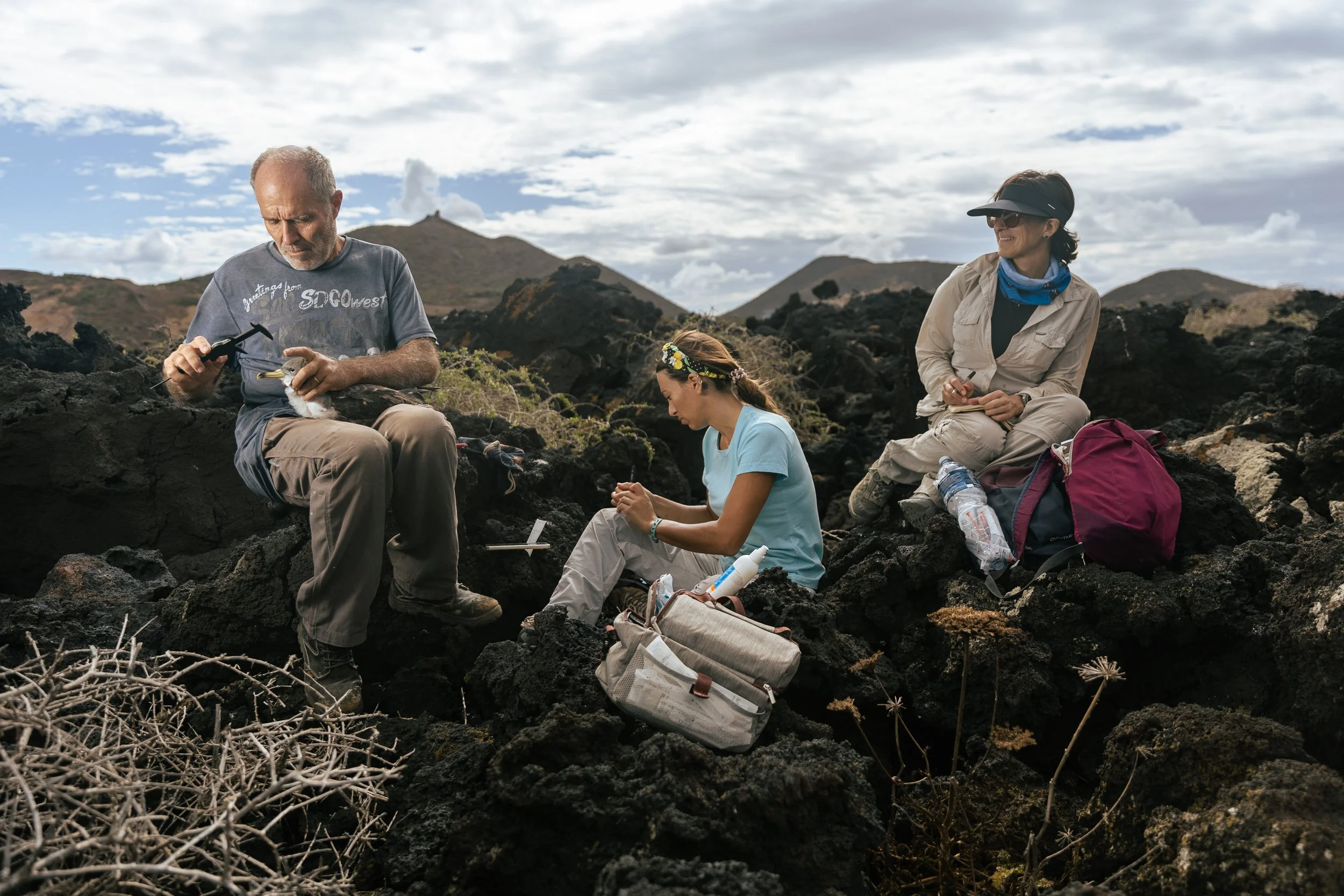
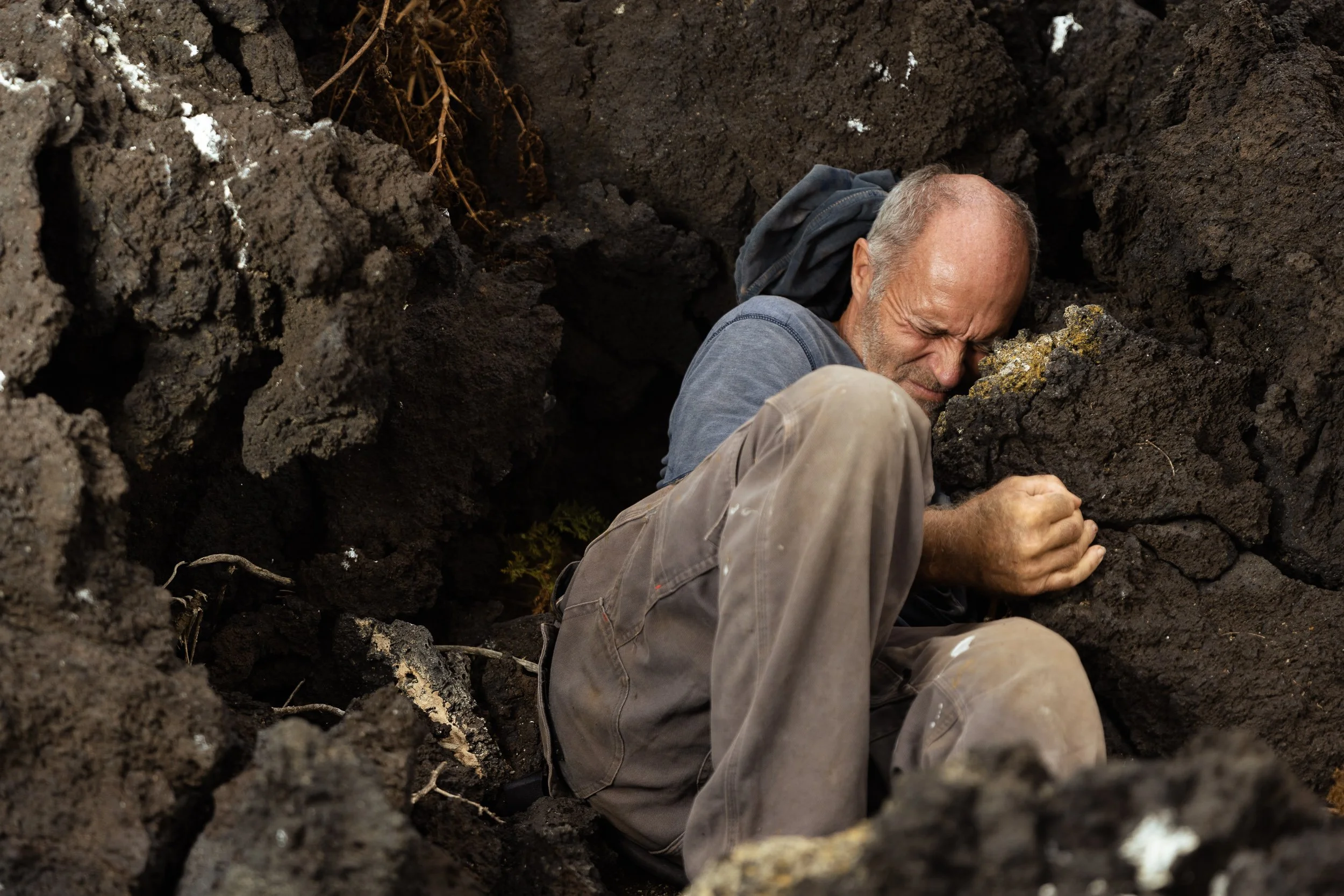
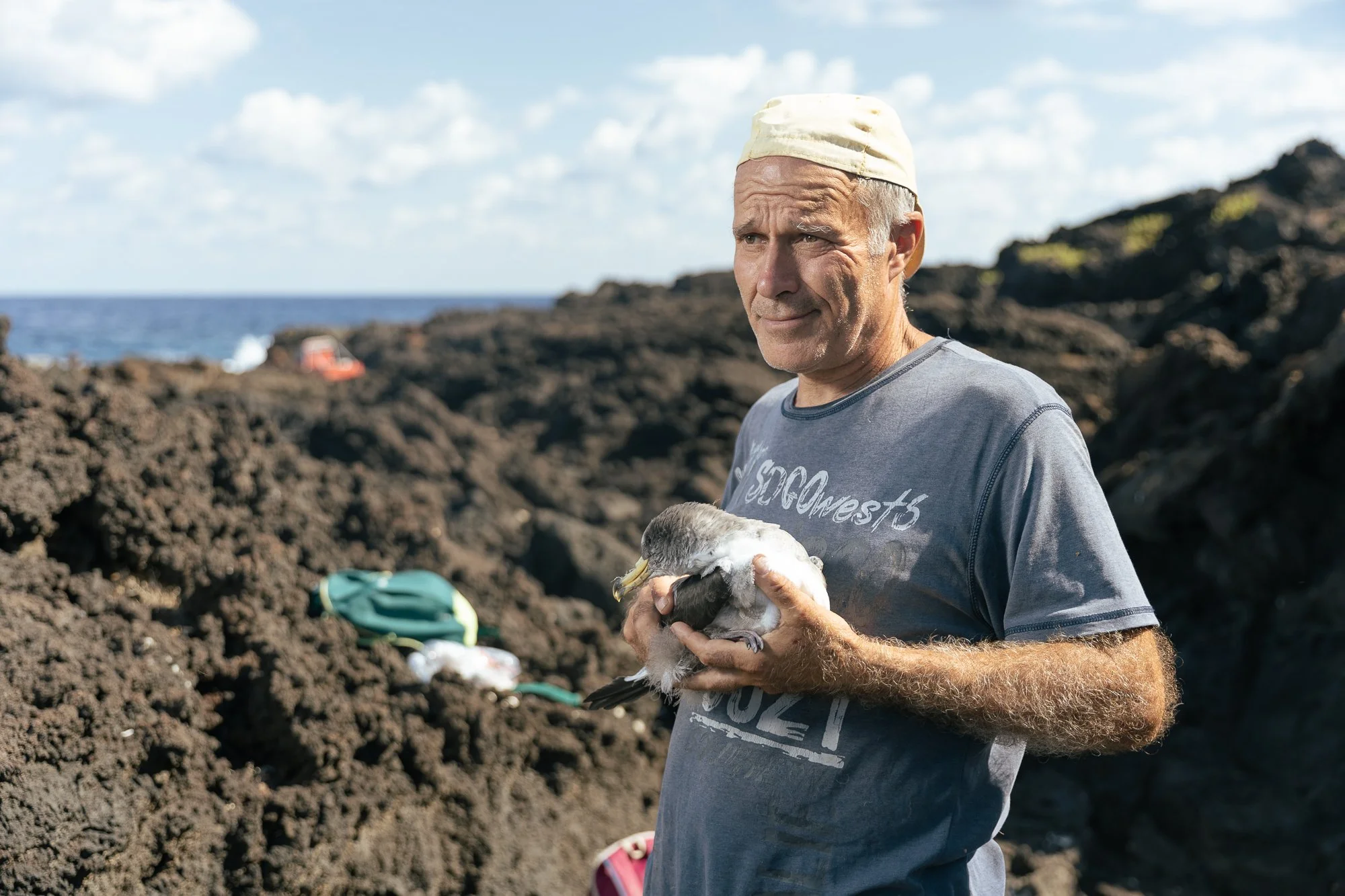
Giacomo Dell’Omo, a naturalist born in Rome, has spent twenty years preserving Linosa’s shearwater colony. His work began with the mapping of more than 300 nests, and expanded through continuous monitoring activities in the field.
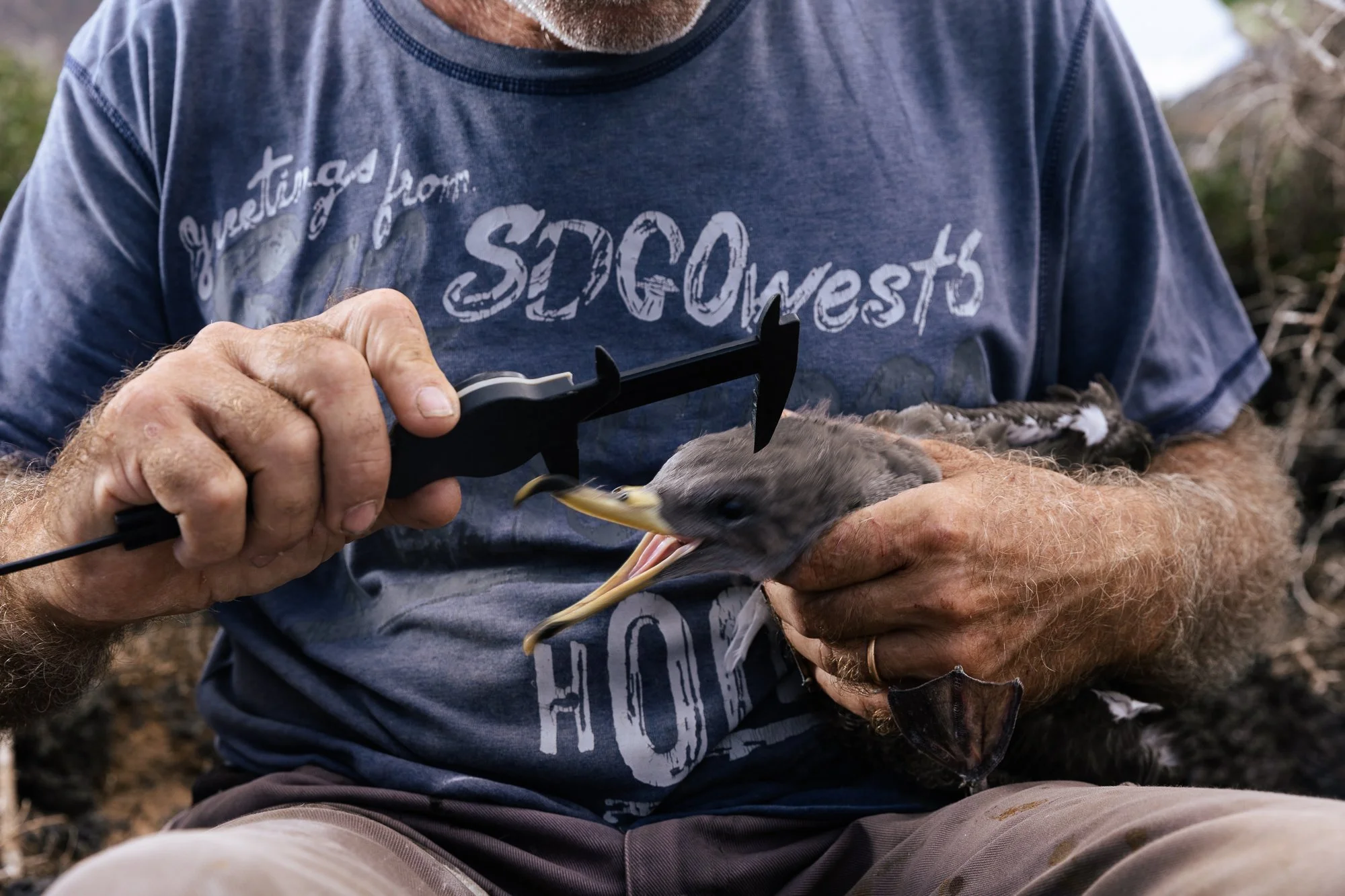
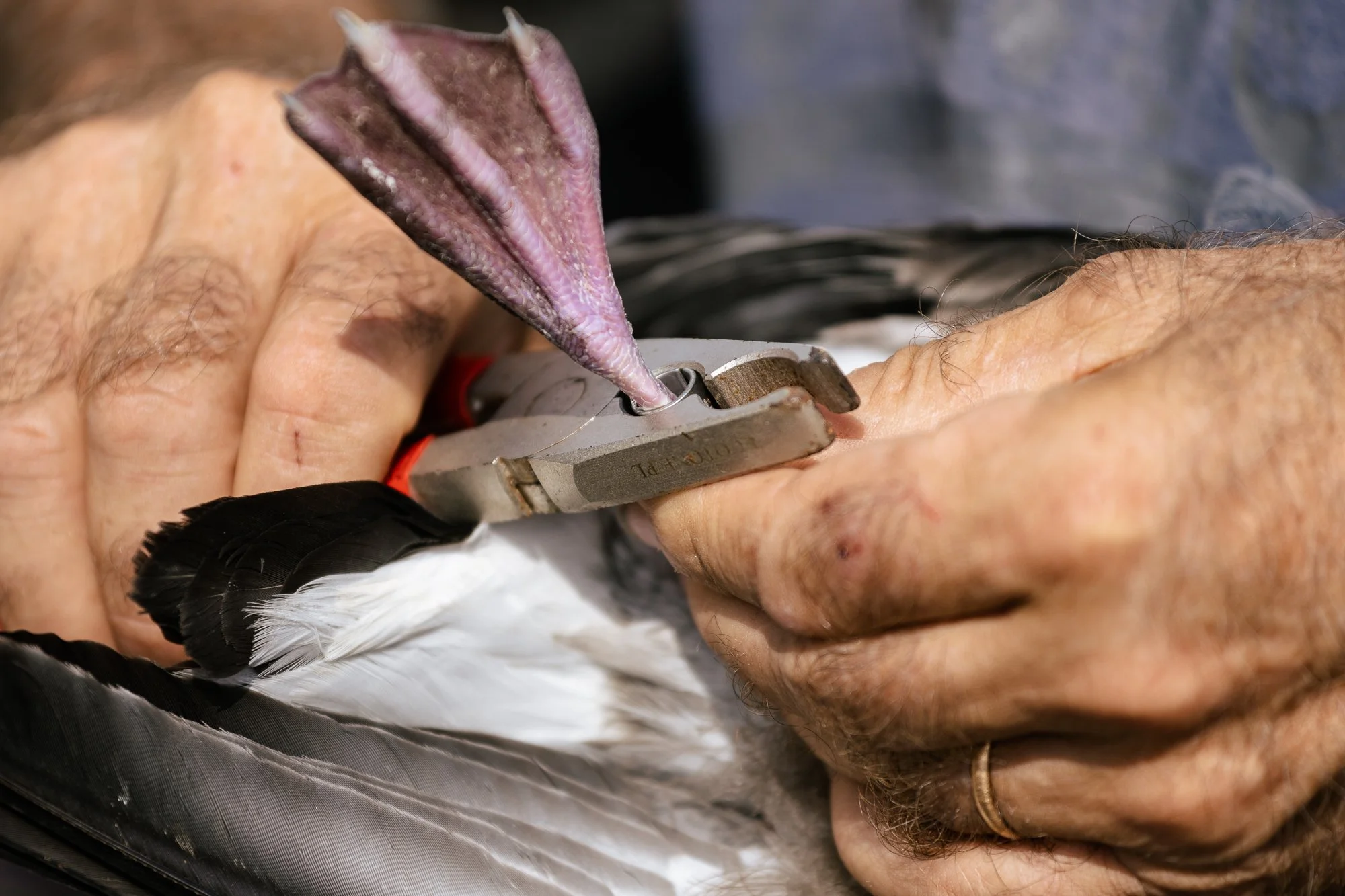
Giacomo visits Linosa several times a year, according to the shearwaters’ life cycles. He checks on the couples during mating season, he rings chicks before their first migratory flights and monitors the colony’s physical and physiological state. He also rescues juveniles in peril and helps neutering more cats, to limit their numbers.
His relationship with the island, like the birds’, has been one of resilience. When Giacomo first set foot on Linosa, the inhabitants saw him as a stranger in their own home. It took many years for them to accept him, and his research outpost he built right next to the colony. They needed time to understand why they should care about the marine birds they live with.
Historically, people collected shearwaters’ eggs for sustenance. Over time, as ecological awareness towards this species grew and it became protected, their bond became one of protection and respect. Today, the shearwaters are considered precious tenants, living at the rhythm of the island’s seasons.
At a time when global biodiversity loss is accelerating, Linosa offers a rare example of how a single determined individual and a small community can assist with the survival of a species.
Giacomo’s story, and Linosa’s inhabitants’ evolution show how local actions can shape conservation in the most meaningful ways. The urgency of reversing a trend of catastrophic loss echoed in many environmental reports makes stories like this essential to encourage direct action and increase our sense of responsibility towards the natural world.
Published on Oceanographic Mag and Terra Magazine