Nesechos
2025 - ongoing
Remote islands are unique mysteries to solve. Since ancient times, writers or explorers have seen them as places of enchantment, realms to unveil and delve into, distant abodes far from any reach of men. Fragile worlds suspended between isolation and resilience, remote islands survive with few and infrequent links to the mainland, time and again neglected by central governments, and with populations dwindling year after year.
Regardless, they endure: be they small rocky hamlets in the sea or extended but sparsely populated strips of lands, these islands manage to beat at their own hearts, striving to persist against abandonment, seclusion, climate change, scarce resources, and social hardships.
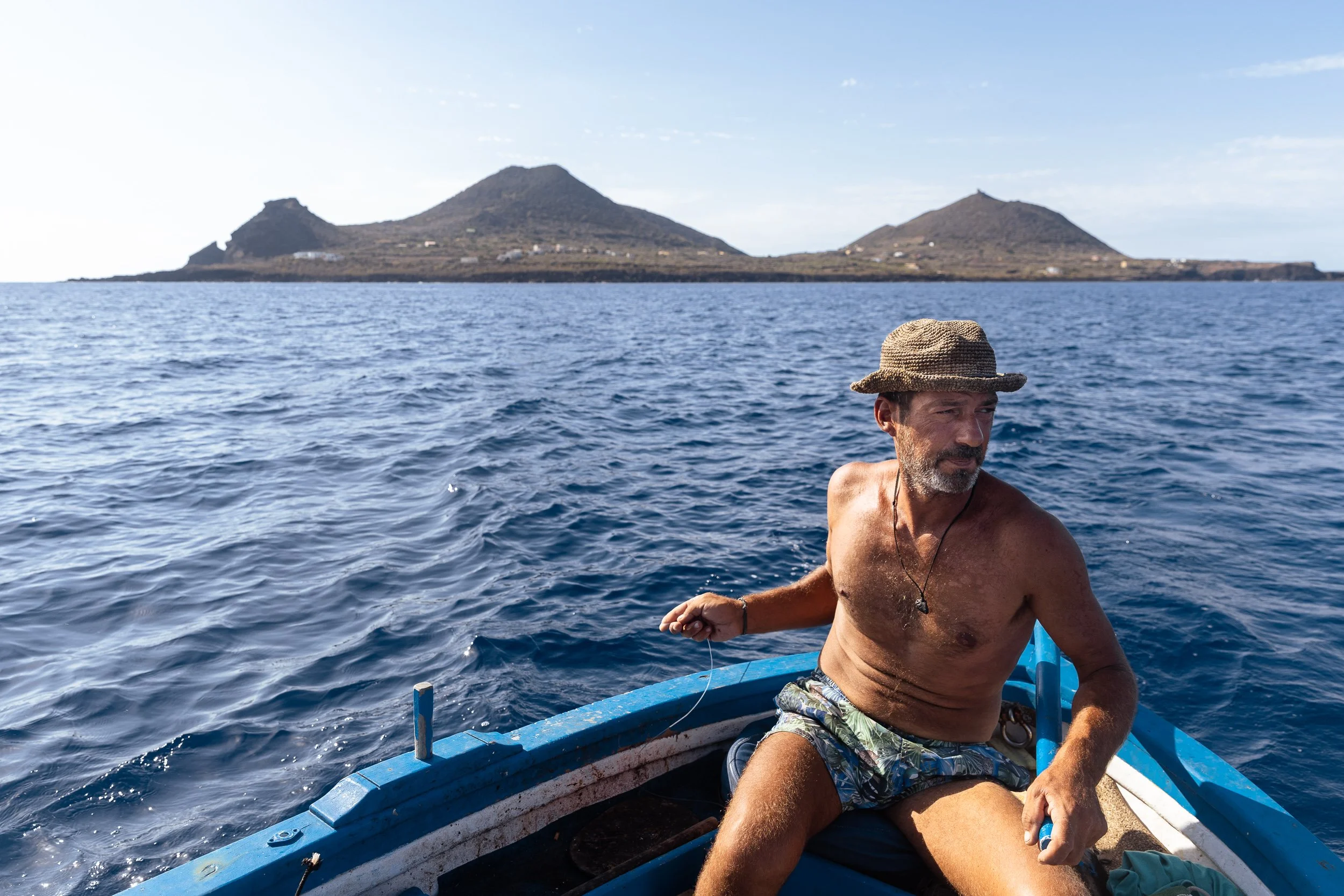
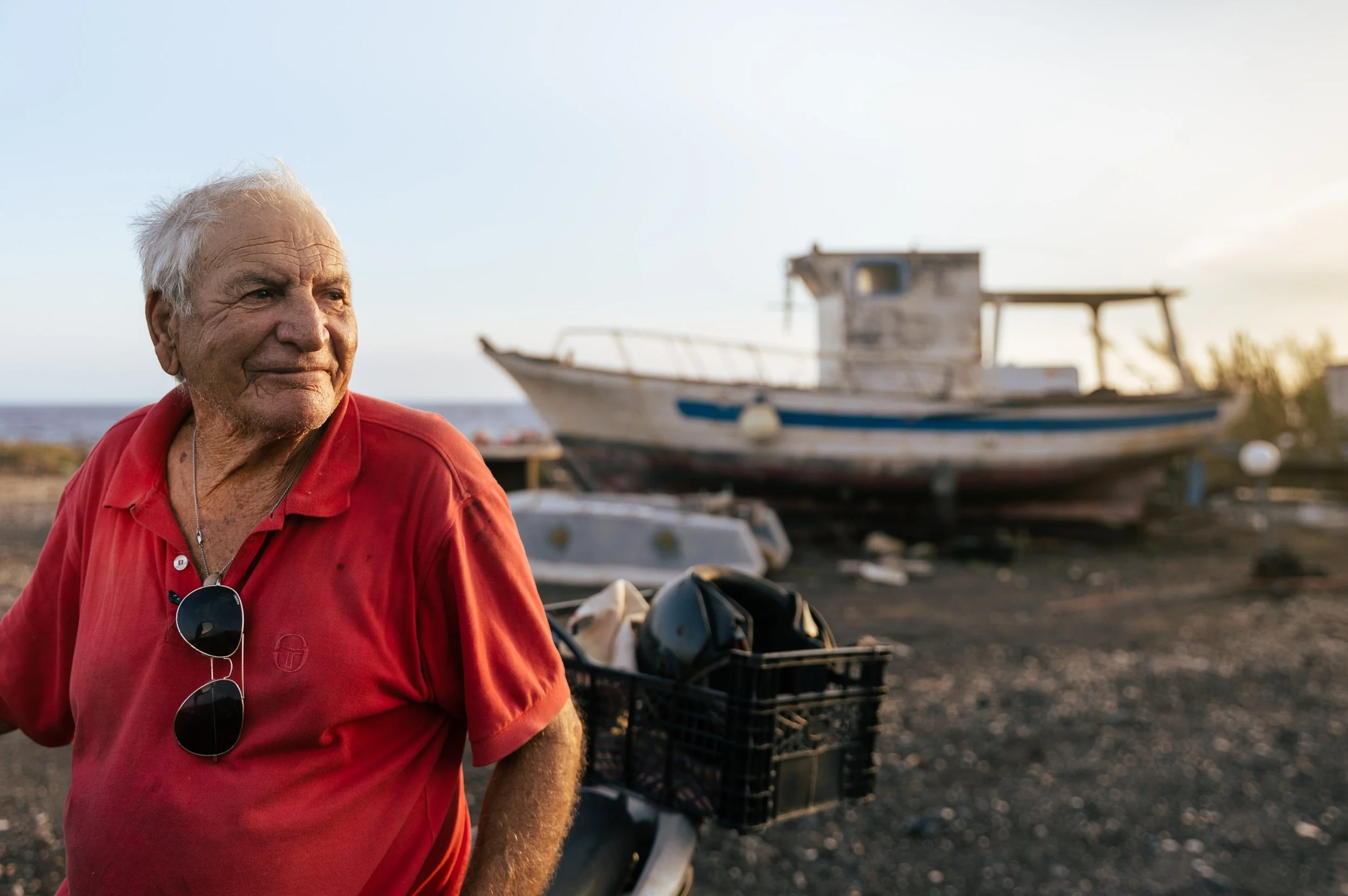
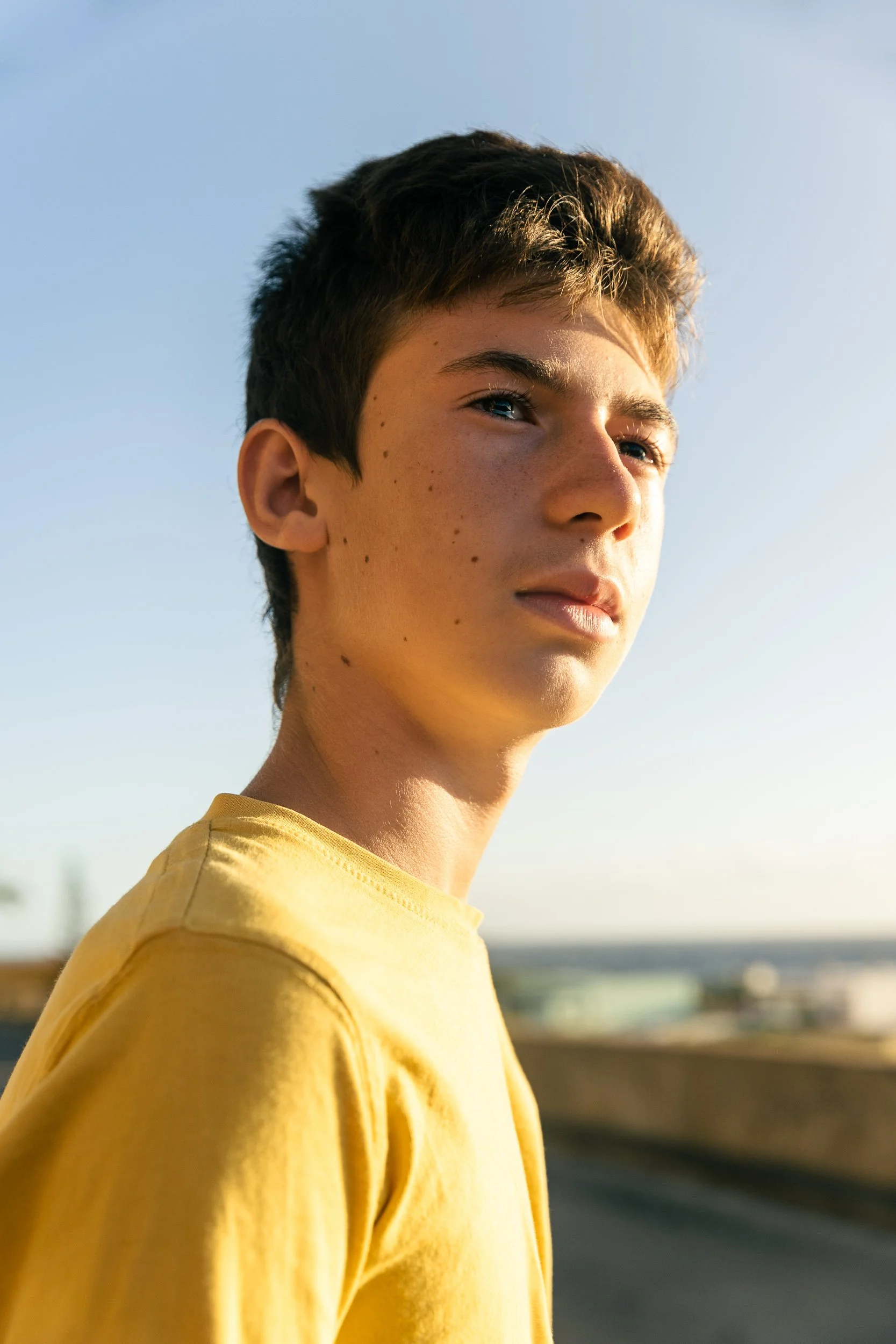
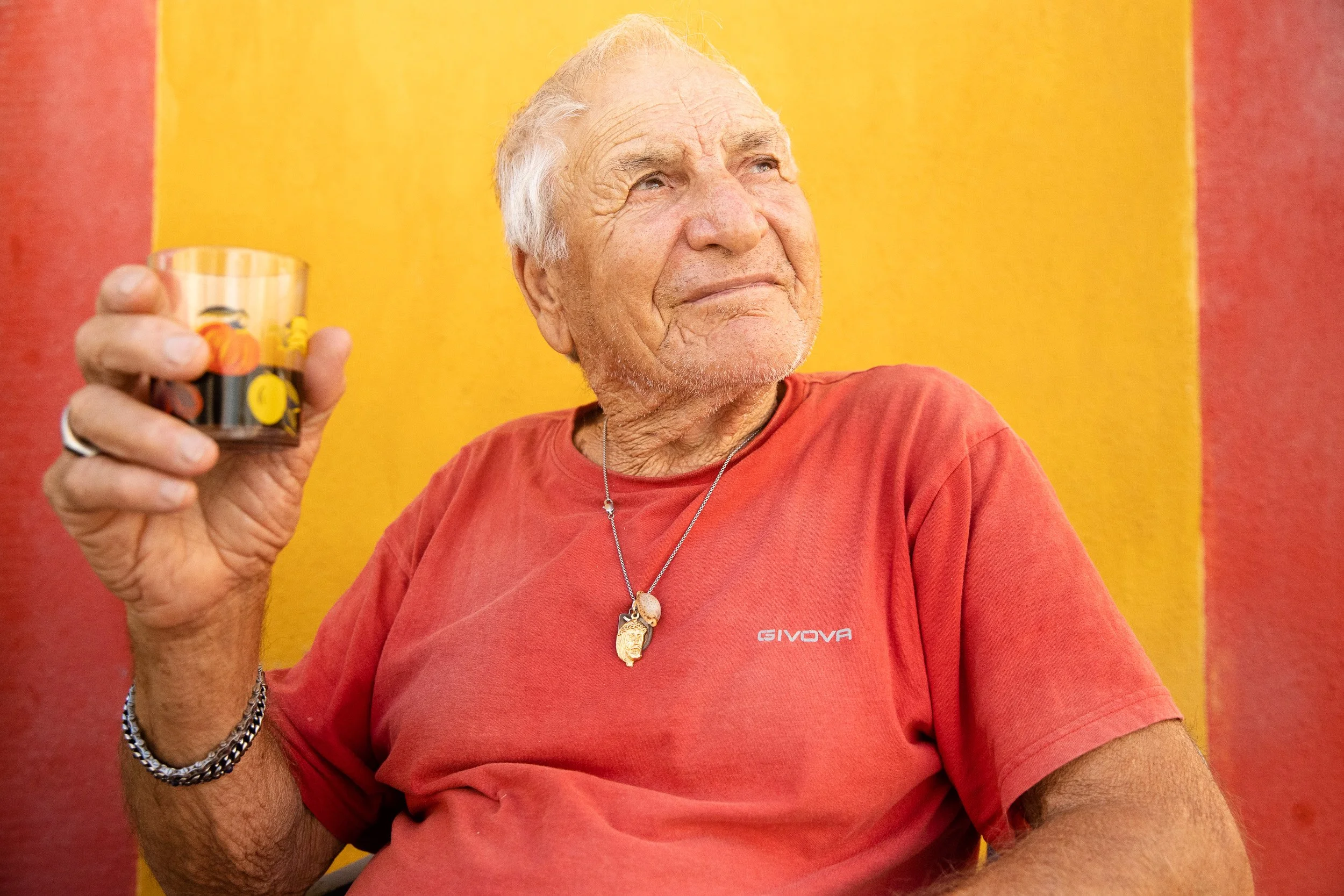
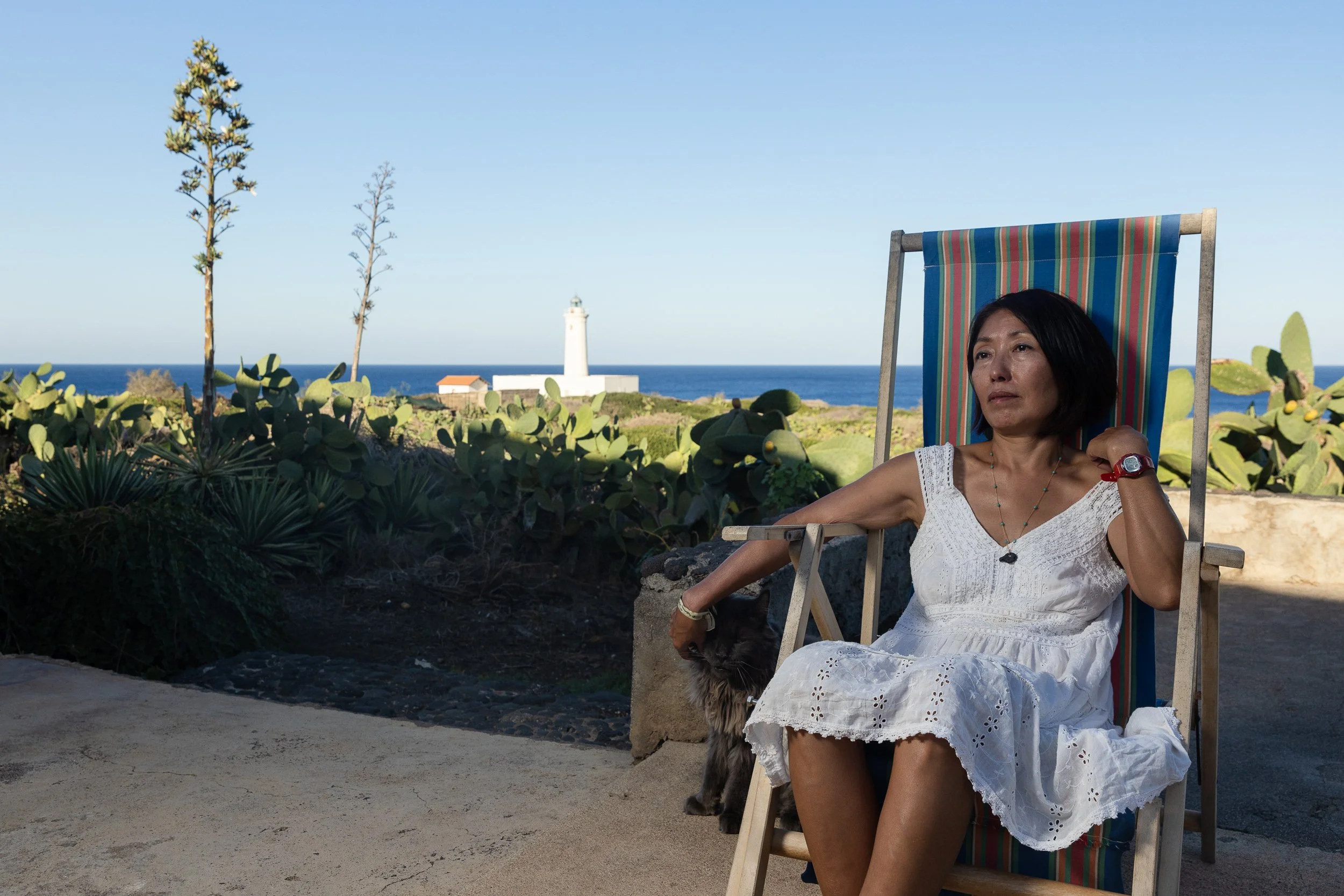
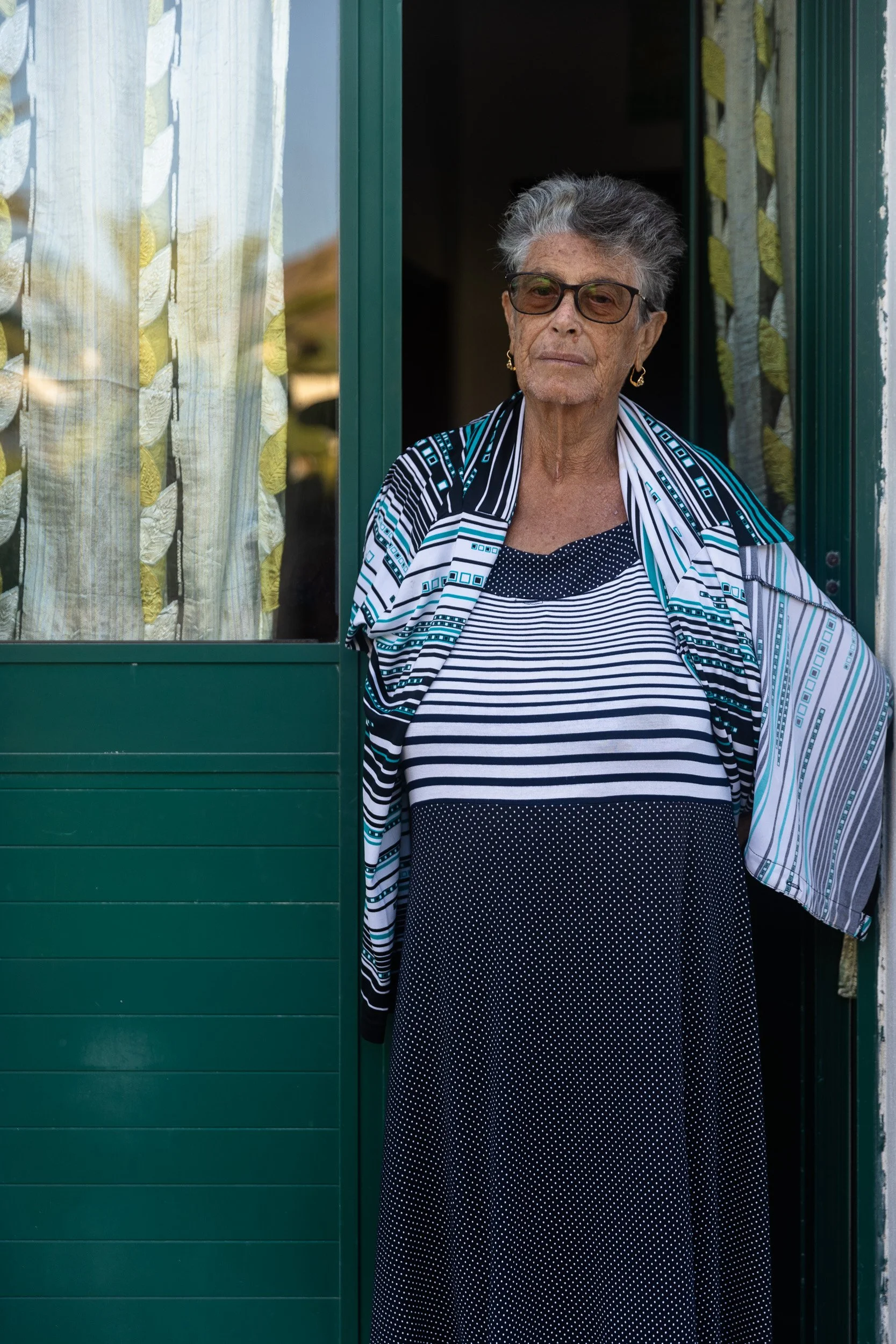
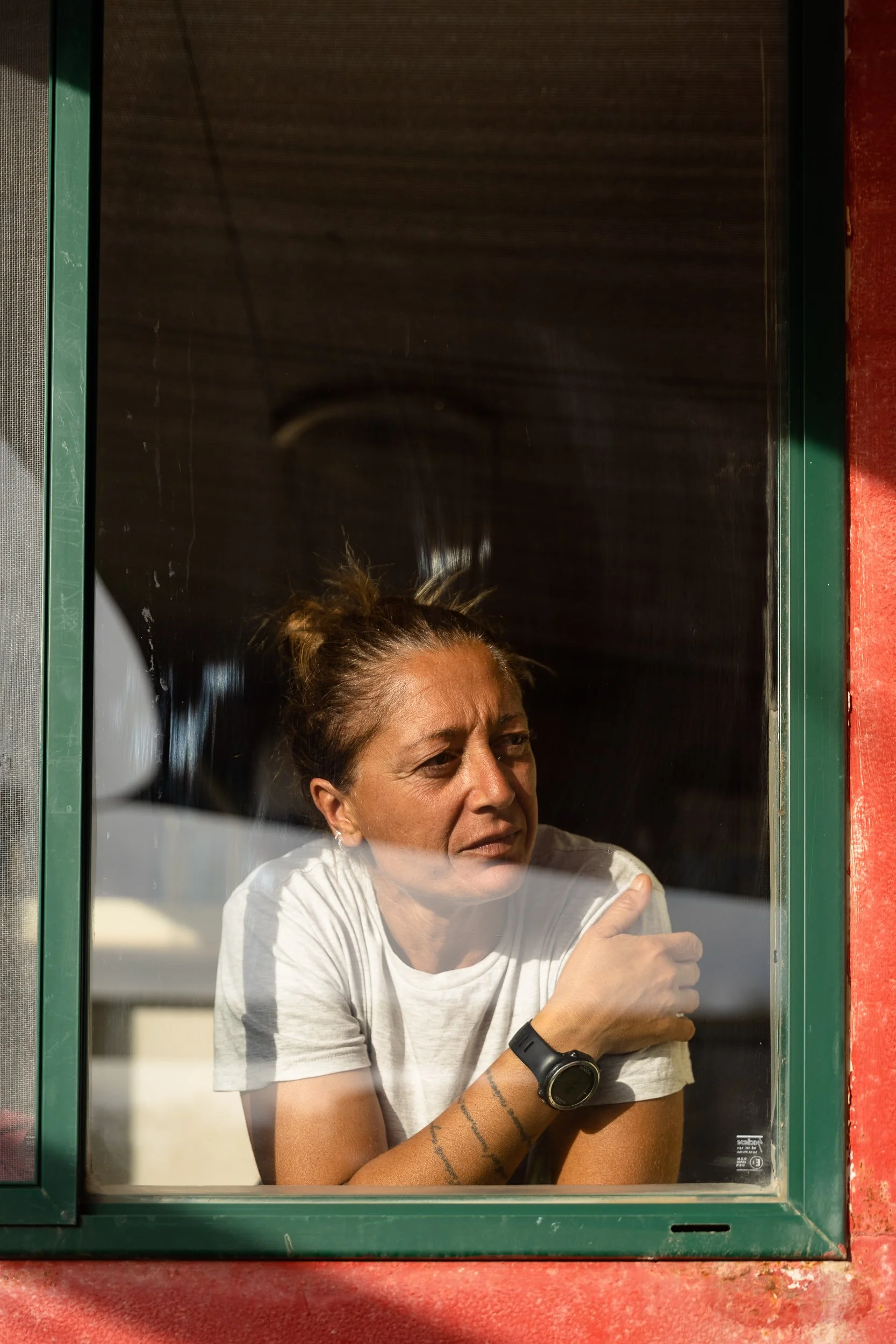
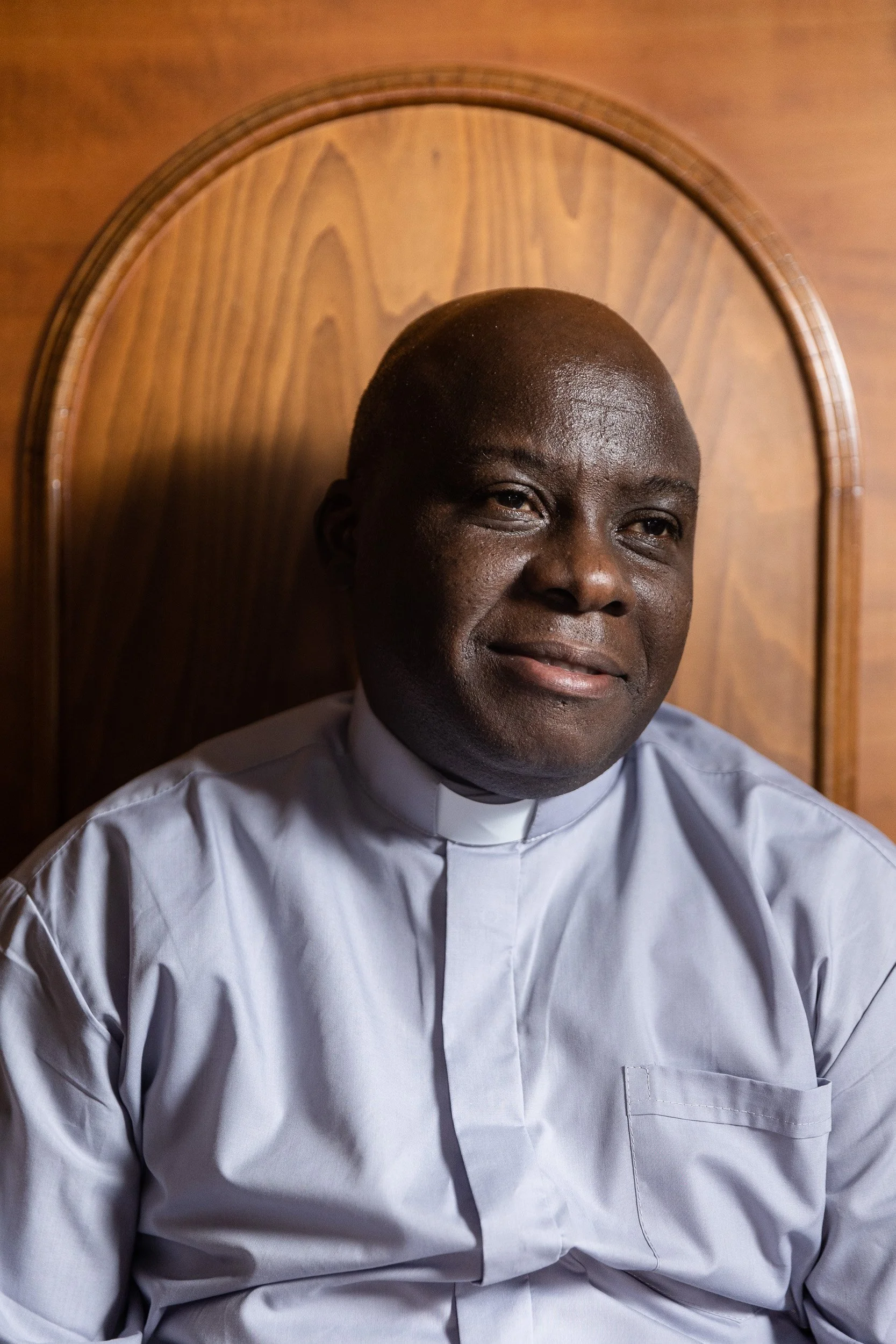
Nesechos is a long-term photographic and narrative project, a query into life on remote islands and their small communities. Portraits, daily life documentation, and written records focus on the people who make these places their home: the ones who were born there and never left, or still come back whenever they can, or those who discovered the island and can’t help but return.
Is life on these strips of land amidst the sea one of choice or submission? Are remote islands refuges, even healing cocoons, or prisons? How do people cope with living in places where the sea decides when one gets to leave or stay?
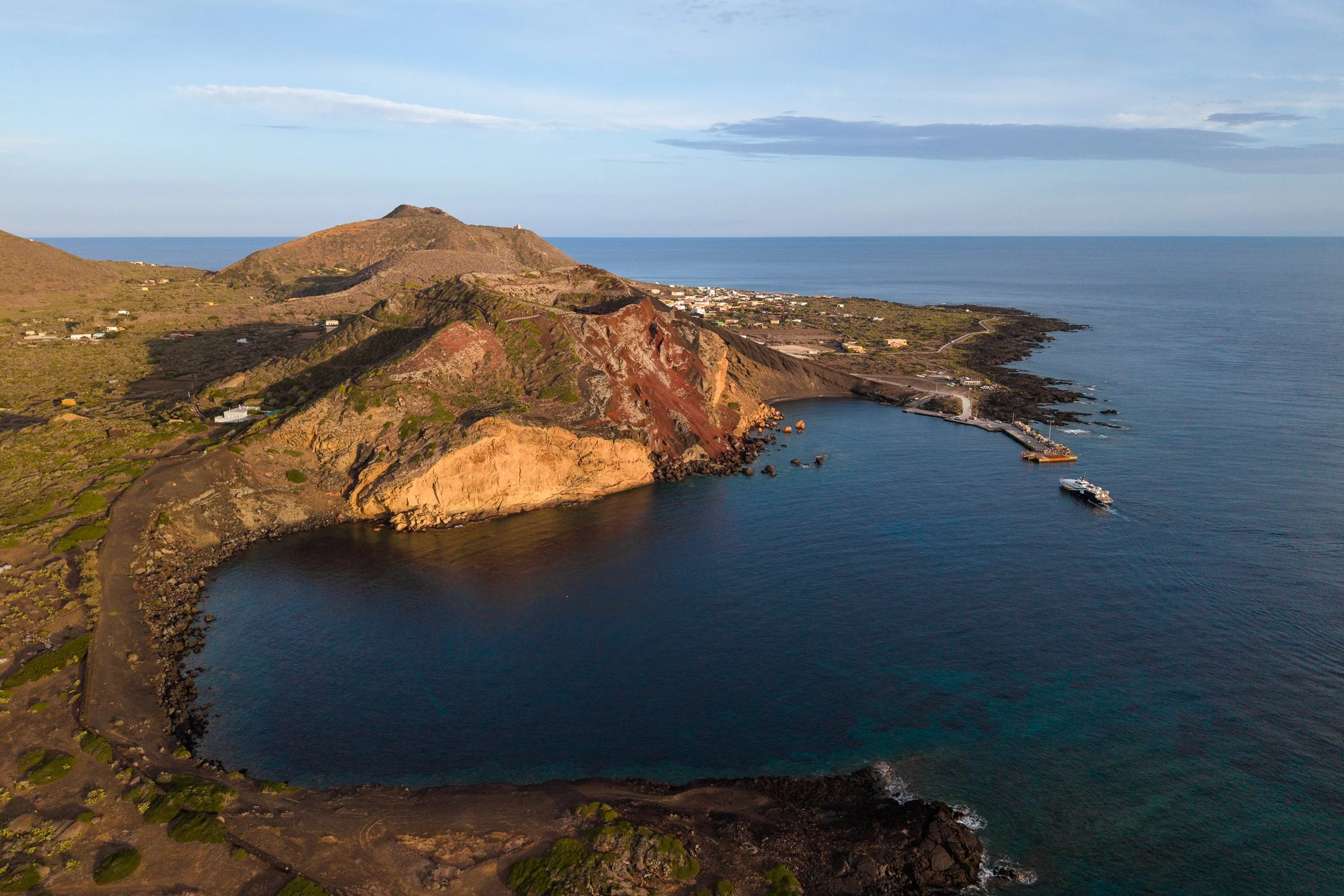
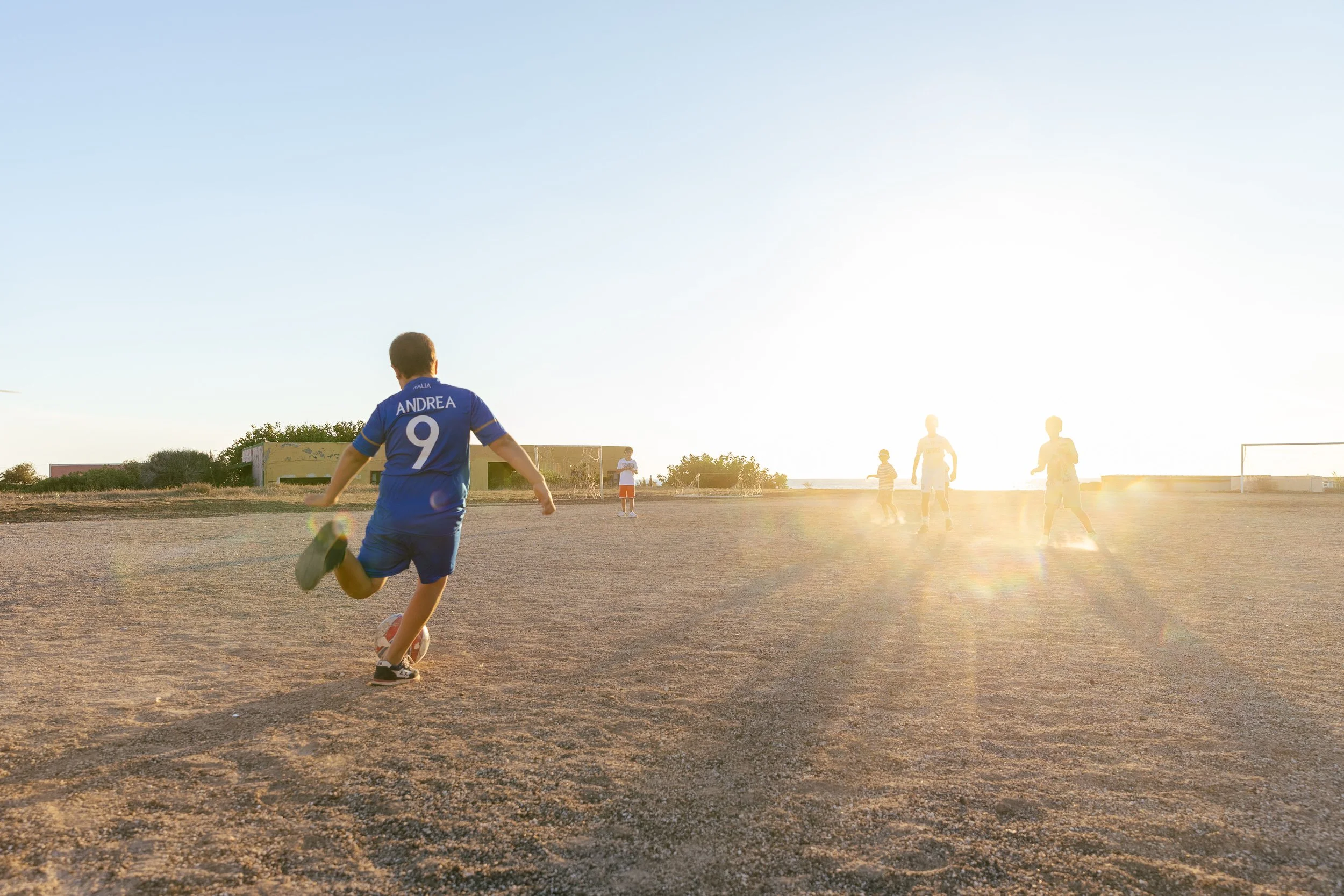
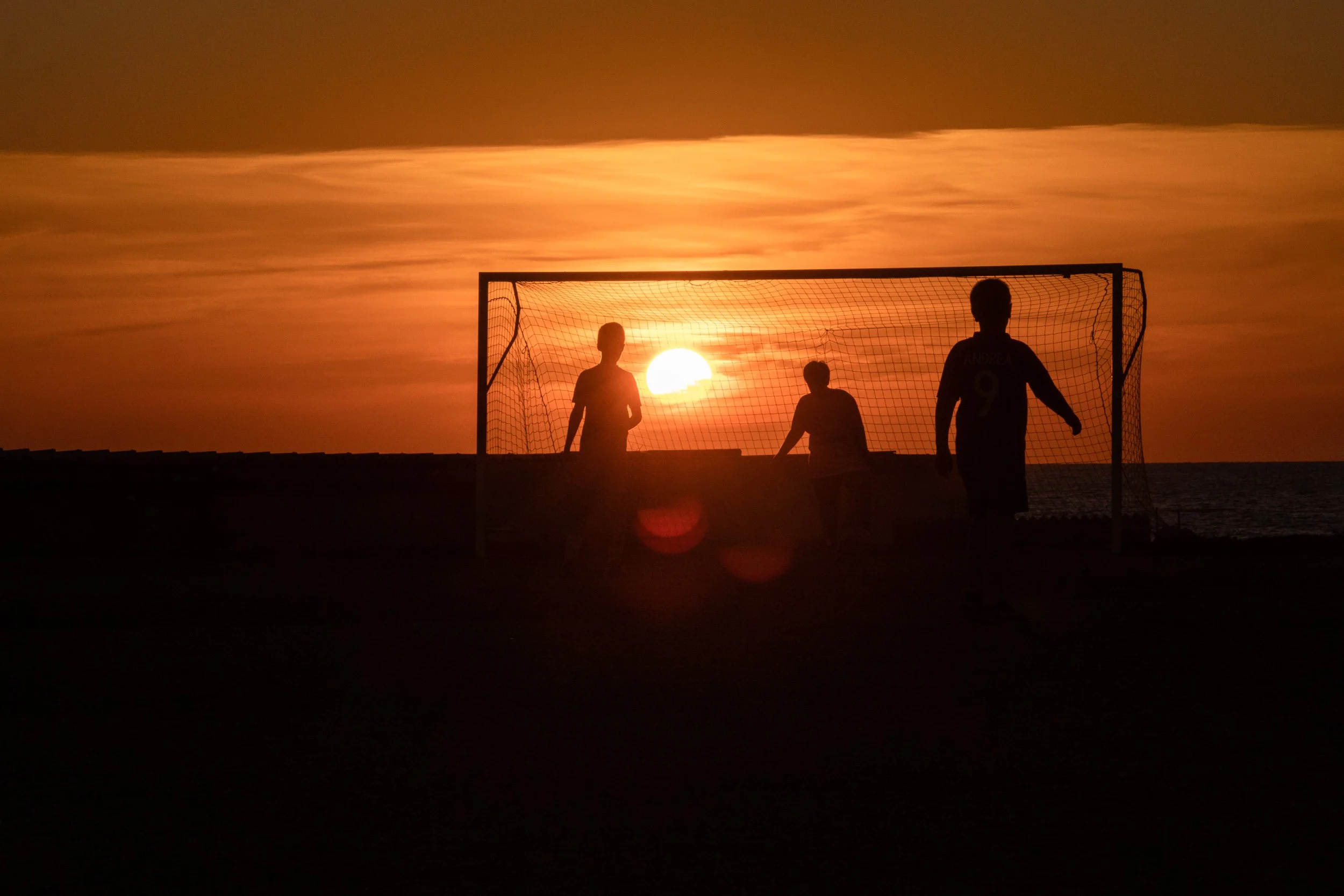
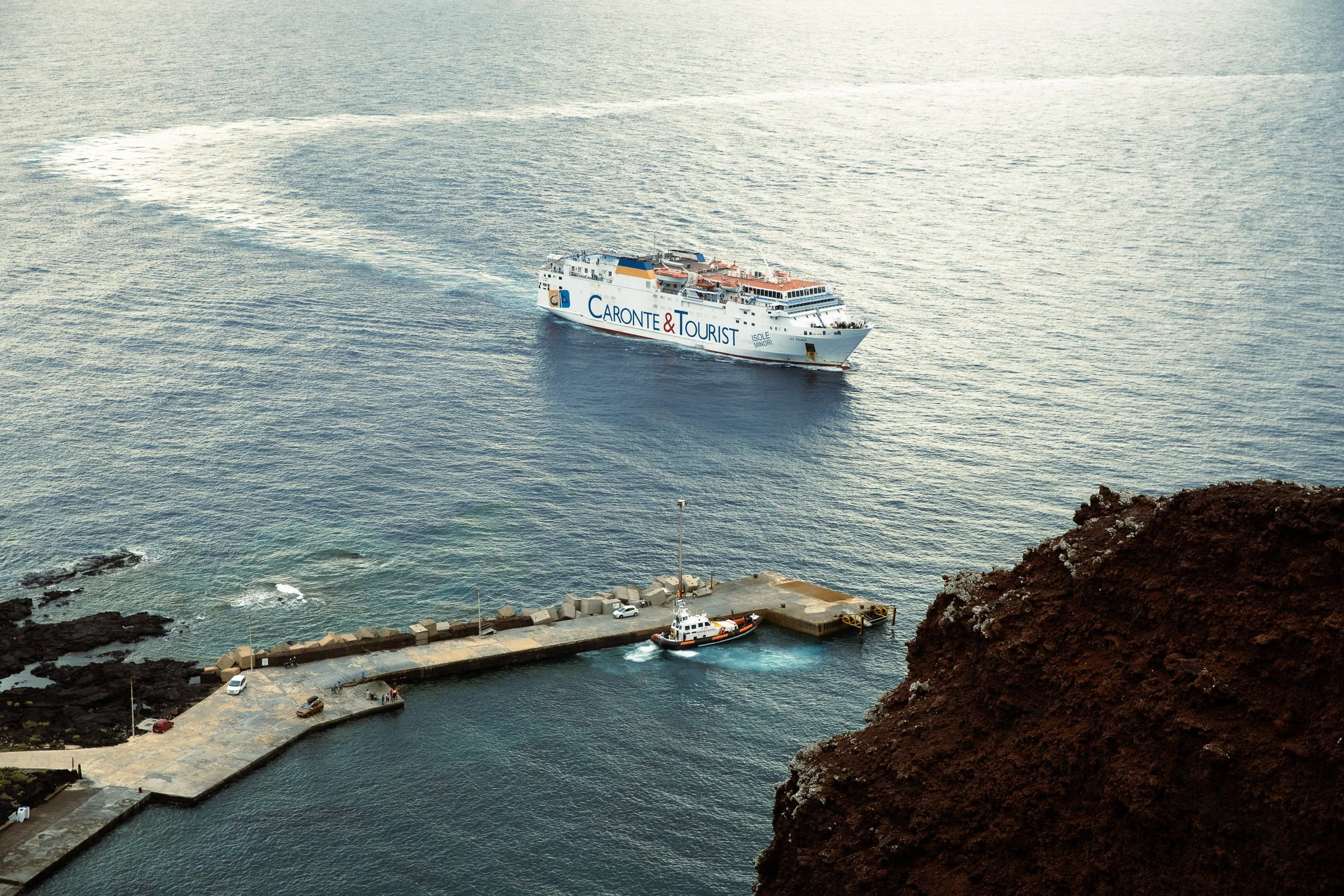
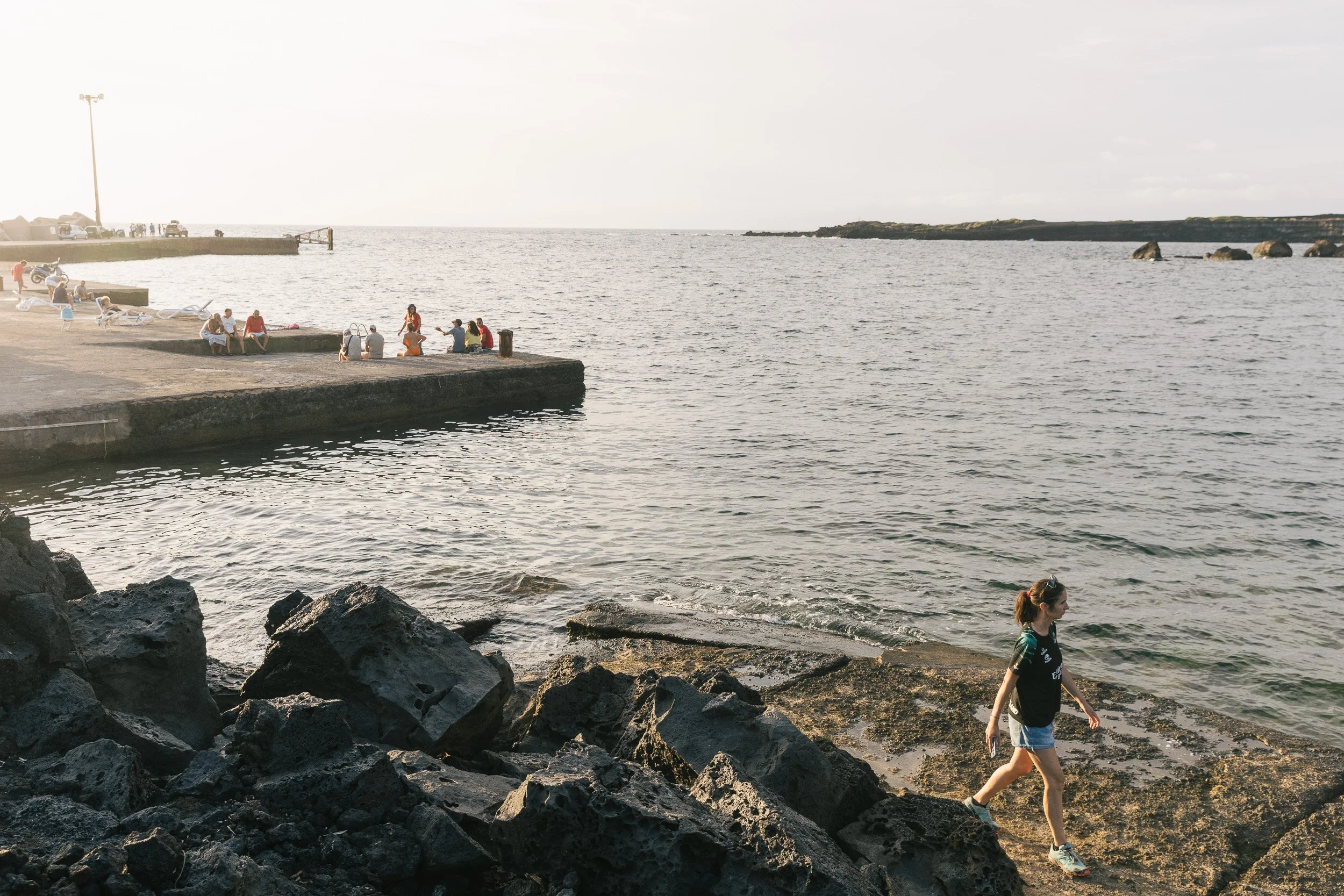
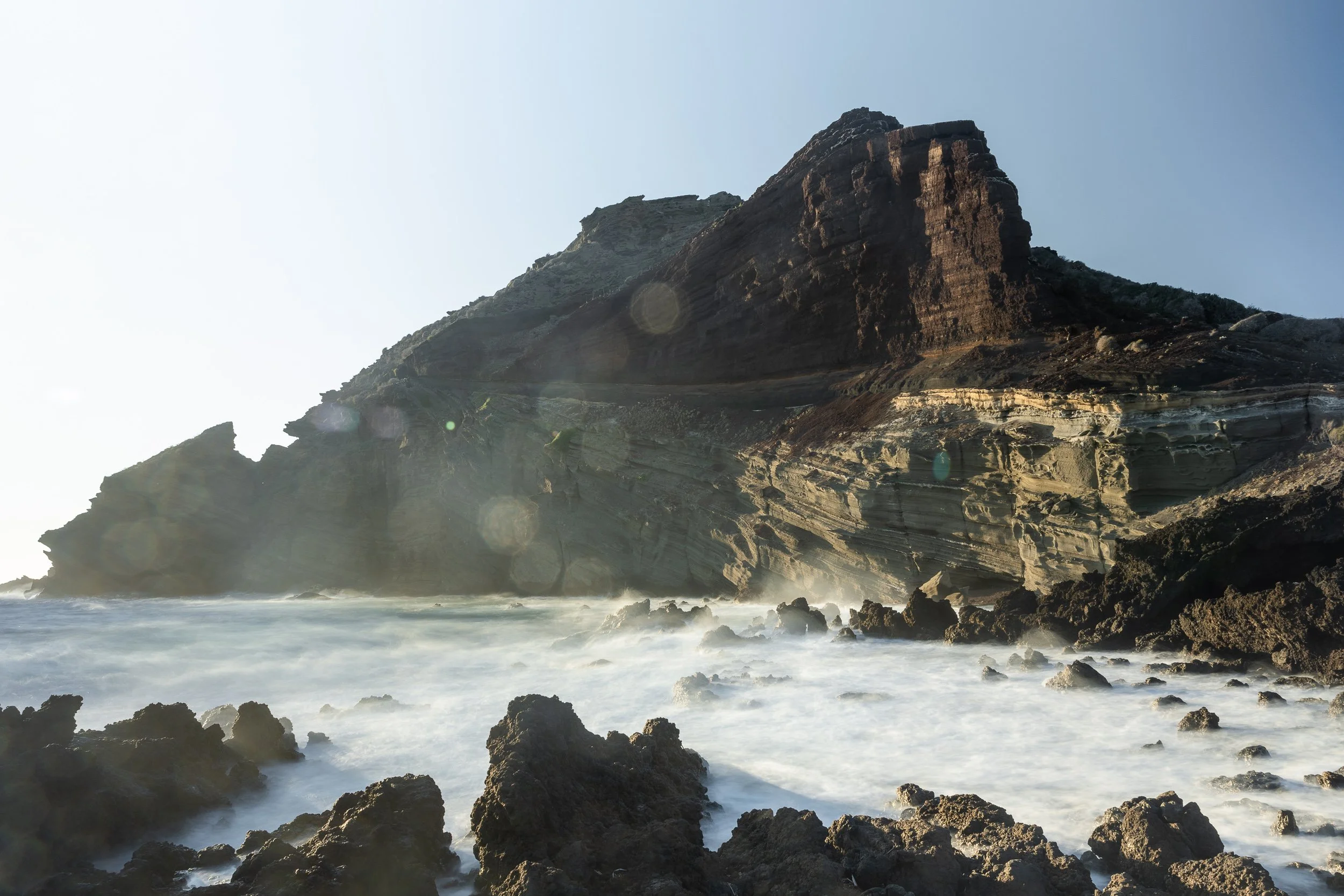
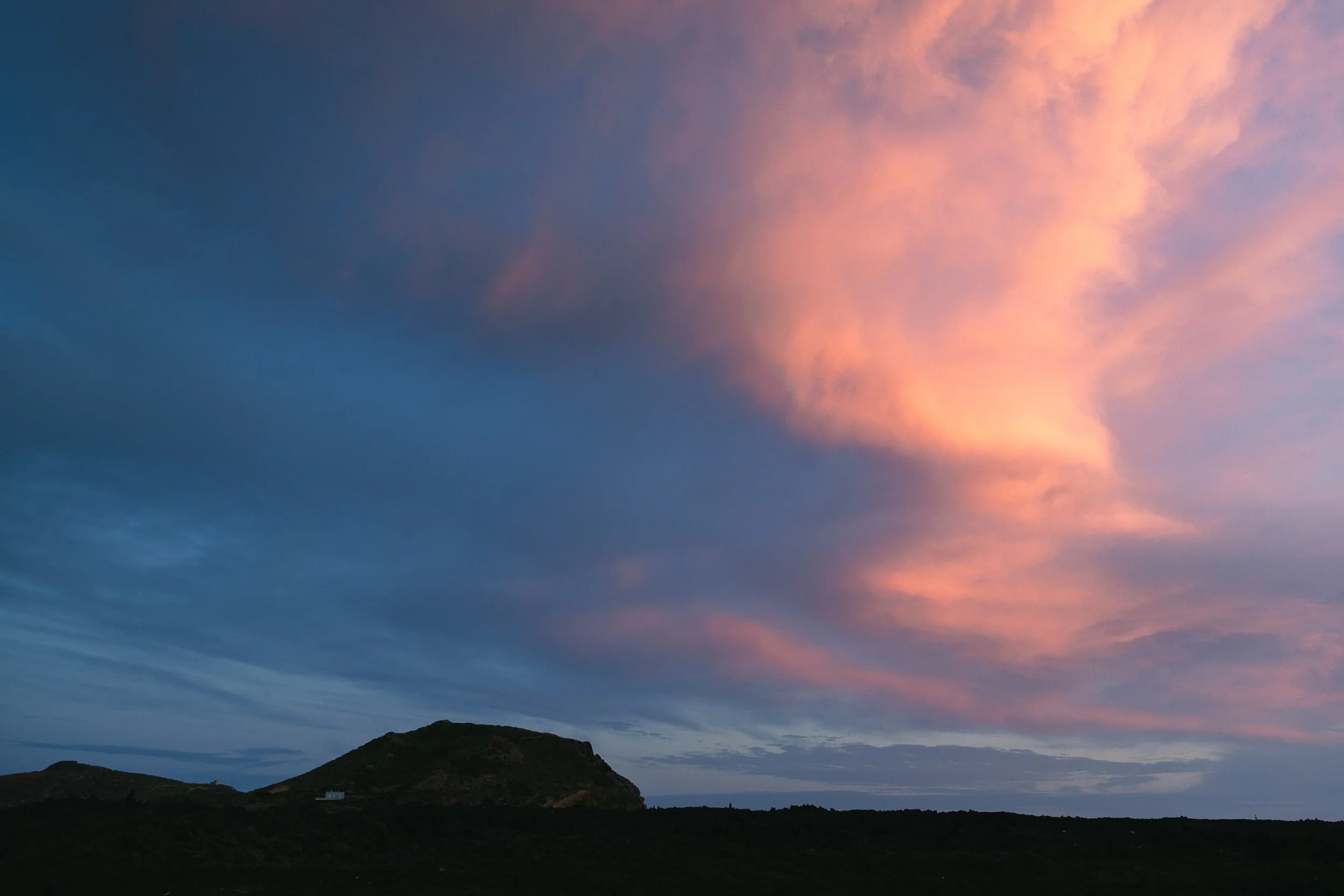
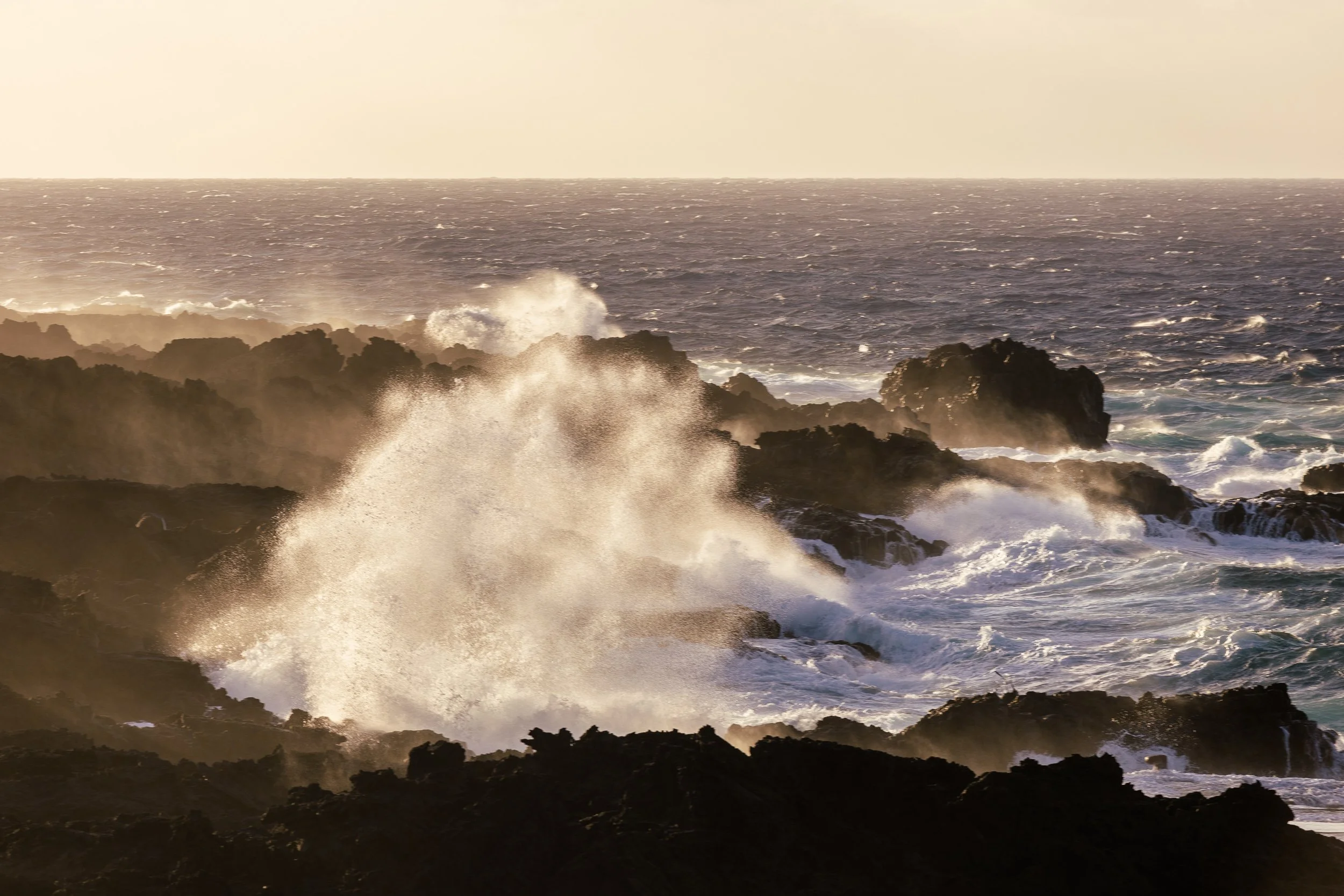
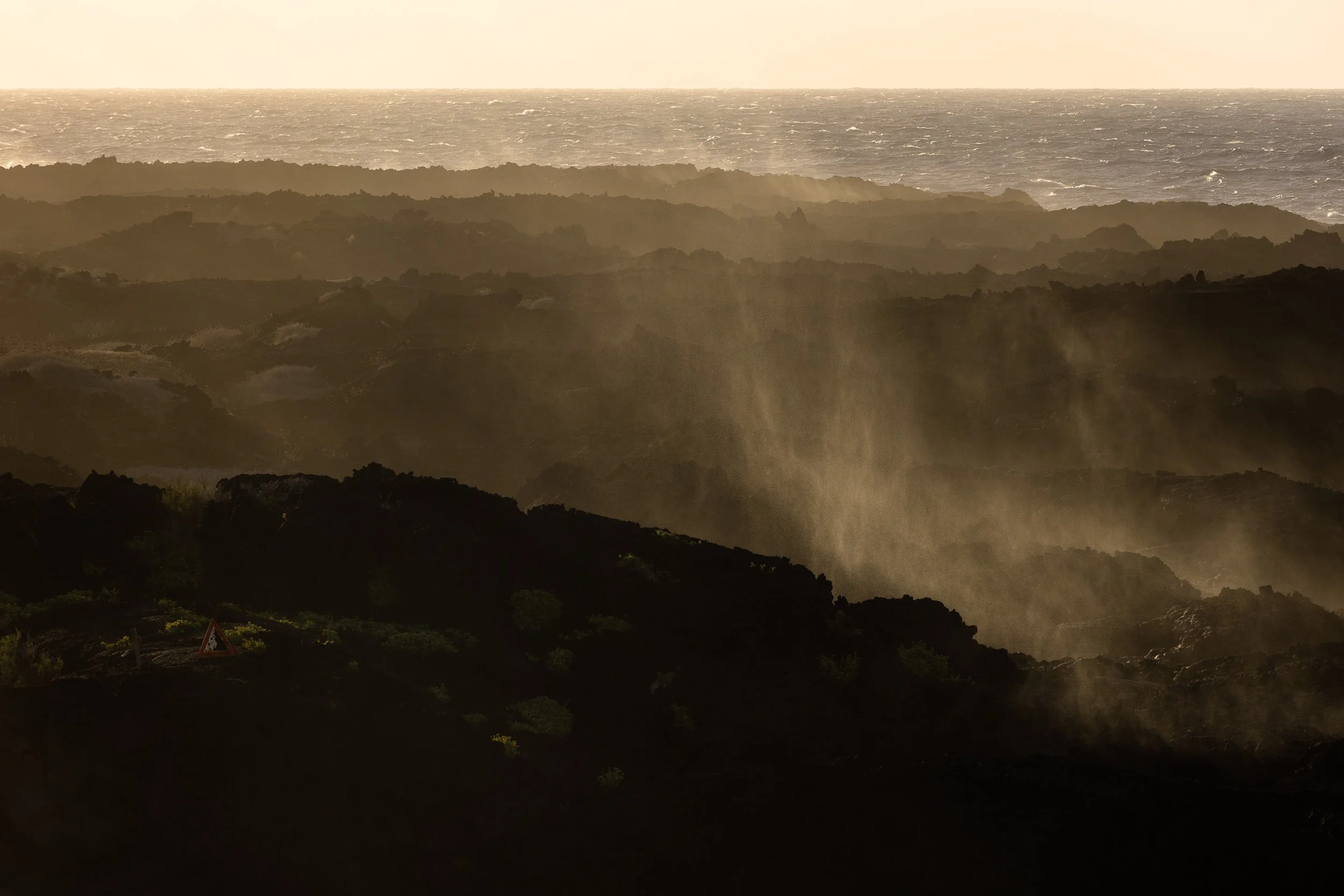
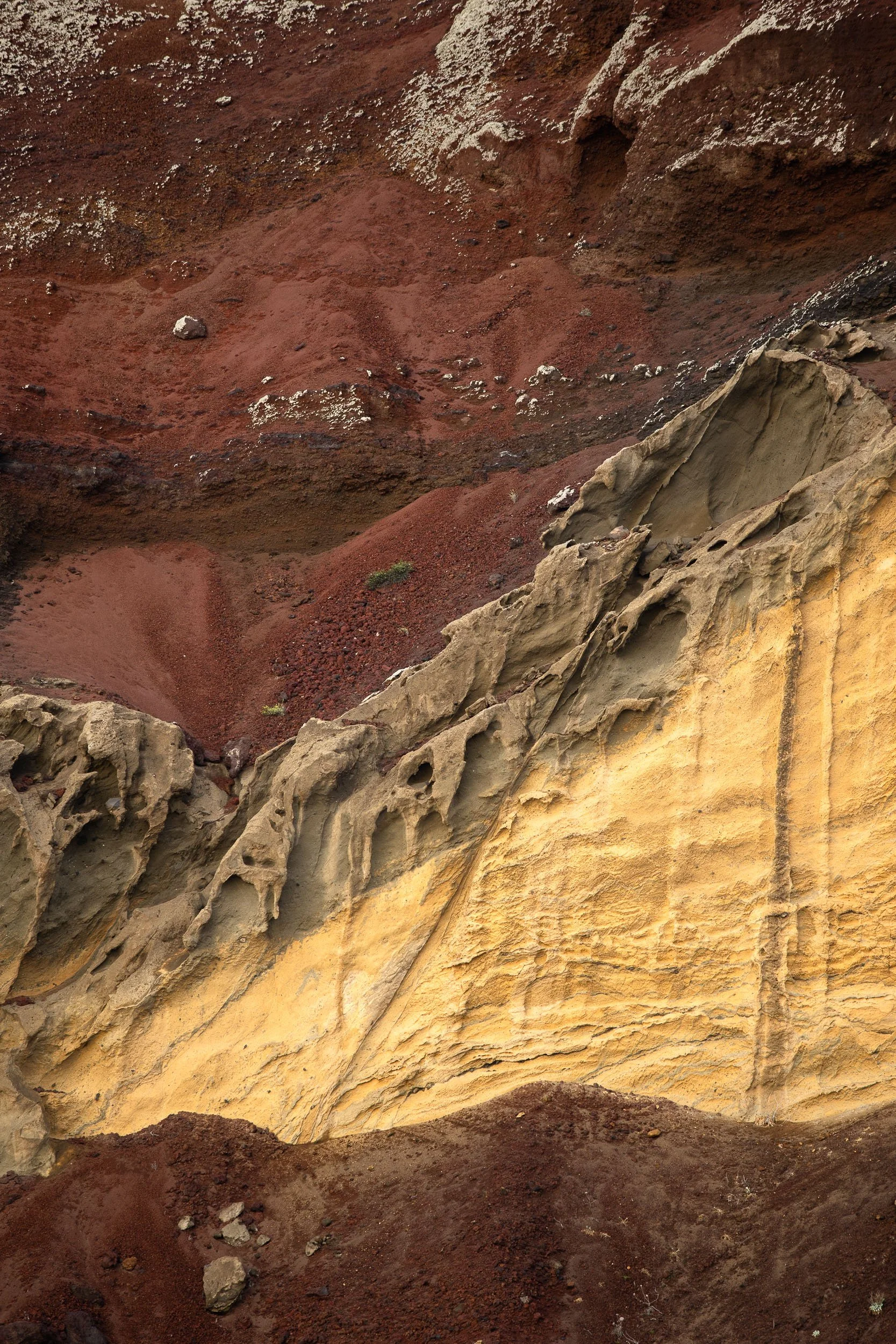
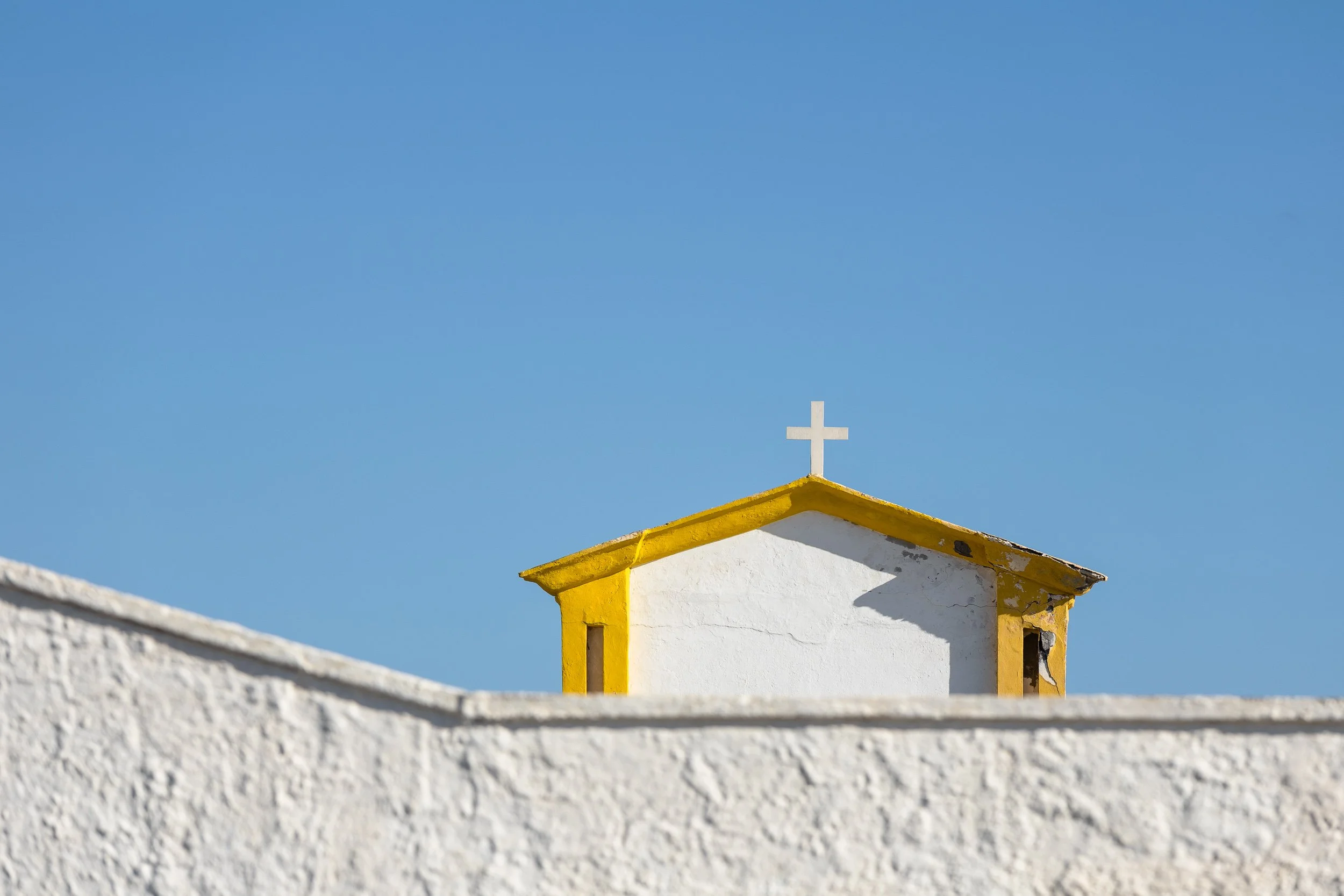
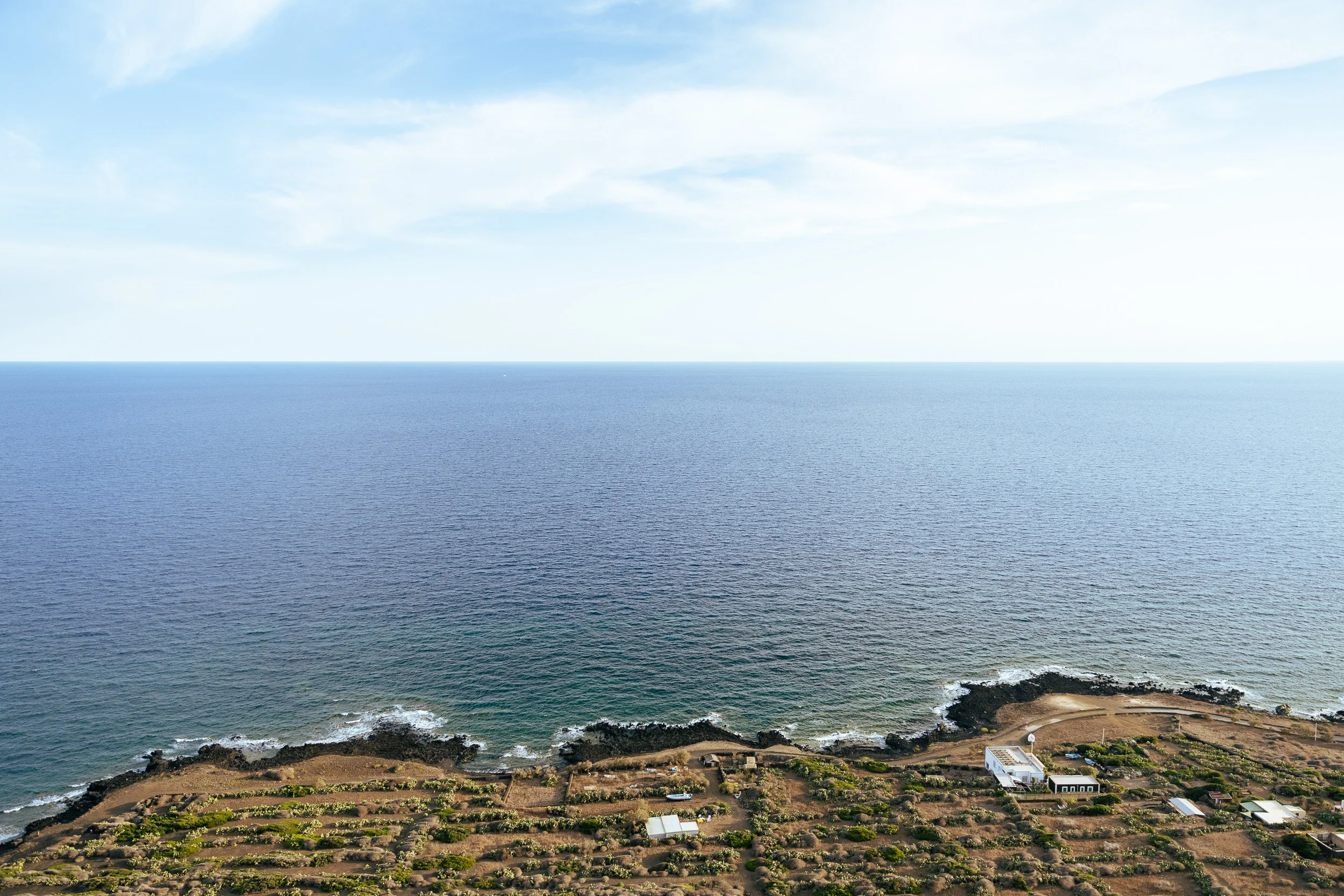
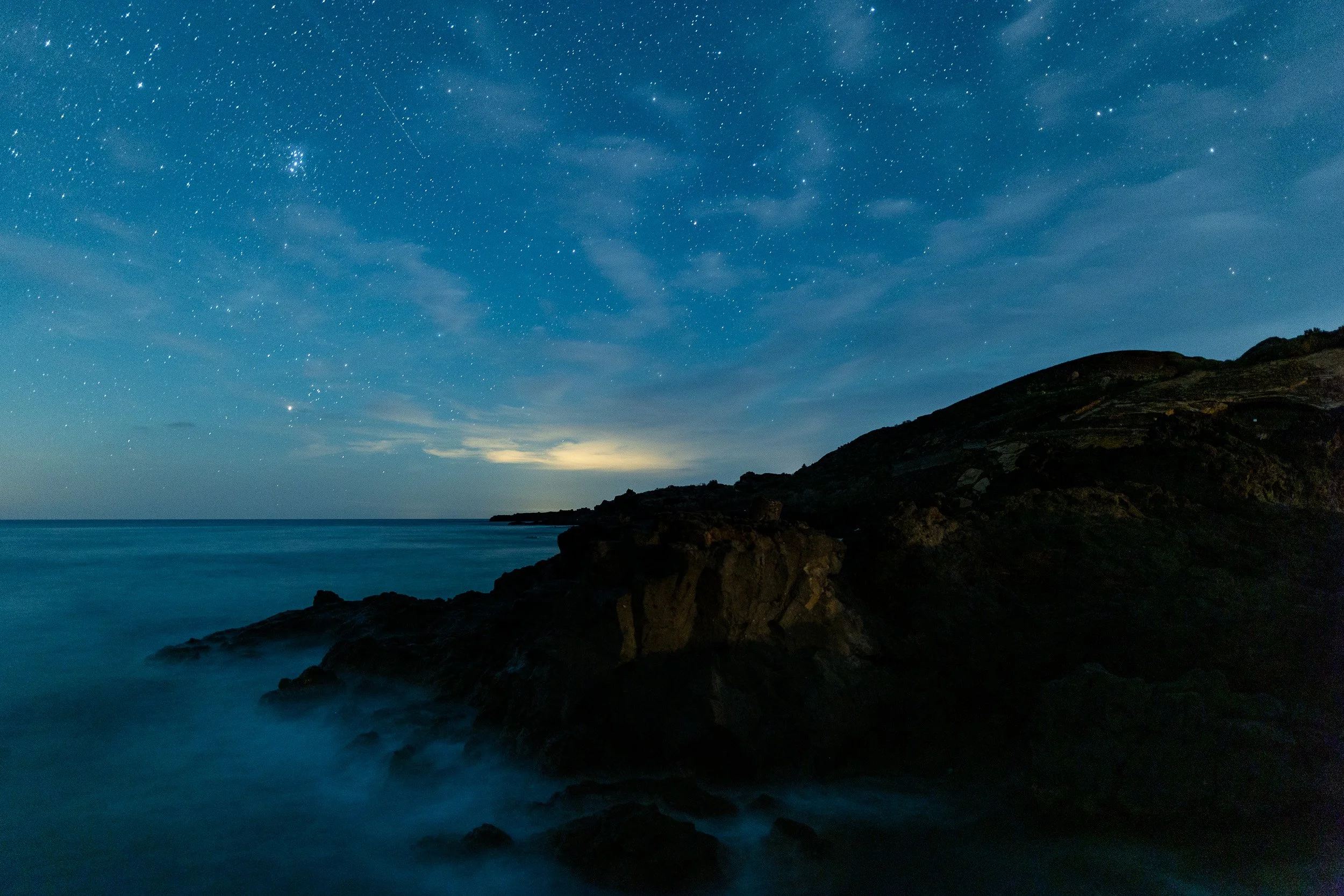
The first chapter of this project is set in Linosa, a 5.4 square km volcanic island in the middle of the Mediterranean Sea. Here, about 400 inhabitants live year-round, linked to Lampedusa and mainland Sicily only by a few ferries every day, unless the sea decides otherwise.
Here, most of the population is made up of middle-aged to old people. Young people move to Sicily during the year to attend high school, while since the number of kids is very low from primary to middle school, they organize multi-grade classes.
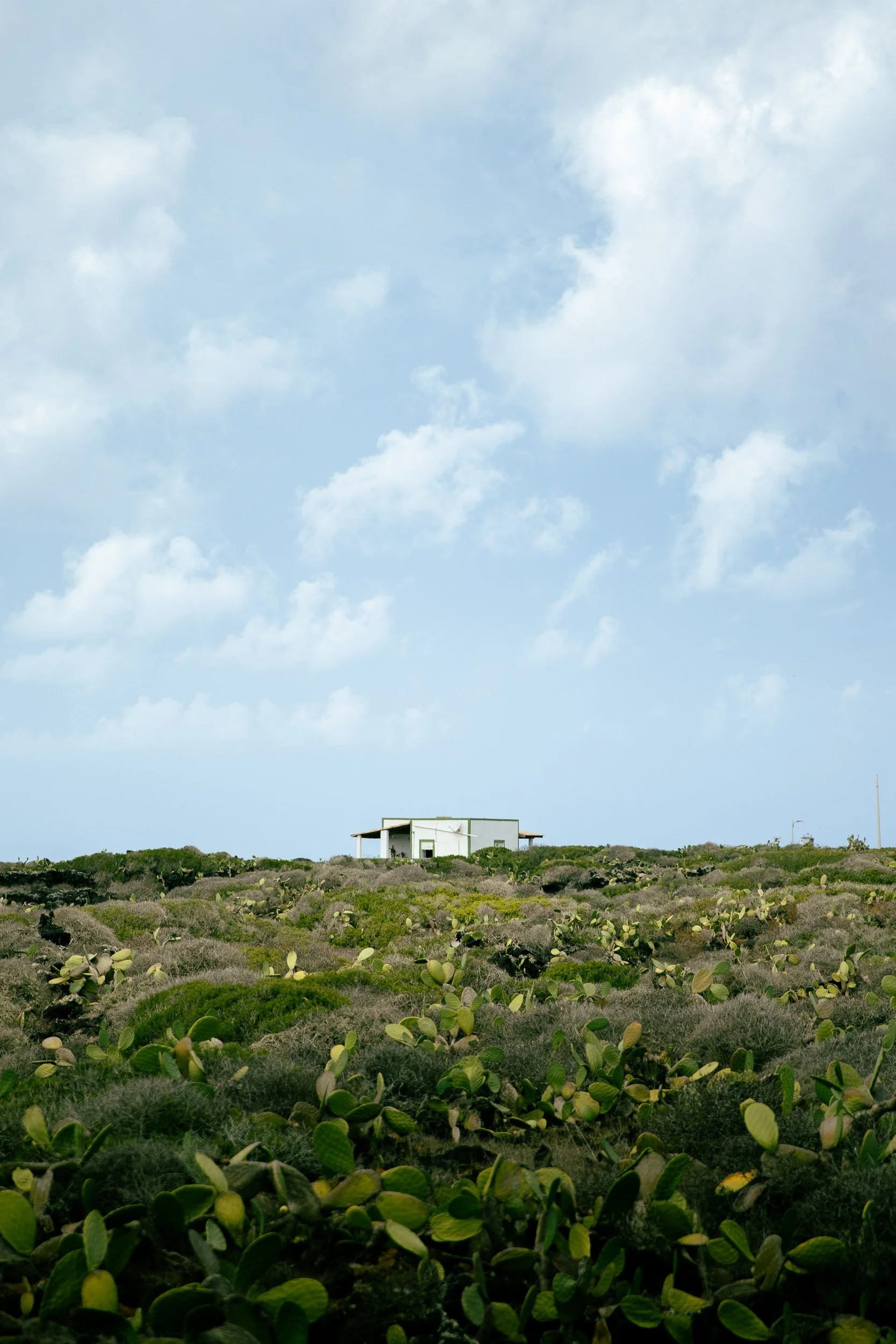
“Linosa is a rock in the sea,” inhabitants say, as they go about their lives in a bubble of slowness.
The generational differences in approaching Linosa’s way of living can be read in the eyes and words of children, adults, and elders, each in their own terms.
On one level, they all struggle to cope with the absence of basic services or with isolation that can last for several weeks at a time, especially during the winter. On another, they seem to have made peace with what they’ve always known, or lived with, finding little reason to expect that something new can take root on their island, and in their minds.
So a question lingers: what future can be foreseen for a small island seemingly frozen in time, and for the people who stay?